




Written by: Crocus Head Gardener Ashley Edwards
Houseplants can bring life and warmth to a space whilst bringing the outdoors in. There are plenty of health benefits houseplants provide too, from purifying air to reducing stress levels. In the darker months of winter when you may not be venturing outside as much, why not bring greenery indoors?


Scope out areas of the house with bright, but not direct, sunlight. Many of the common houseplants are from temperate or subtropical regions of the world and require plenty of light to grow. There are plants suitable for shadier settings too though, like ferns, cast iron plant, ZZ plant and peace lily.
When it comes to houseplants, watering is key. Often, houseplants suffer during the winter from overwatering. In most cases, you can let your houseplant dry out slightly between waterings. Once a week in summer is usually enough, but in winter you may need to reduce it to once every two weeks, depending on the temperature of your room. The exception to the rule are cacti, which are treated very differently to foliage houseplants and require cooler, dry conditions during winter.
For smaller plants, the best way to check if your houseplant needs watering is to lift it up. It’ll be heavy if well watered and light if not. You can also use your finger to probe underneath the soil surface and see if it’s wet. Compost can appear dry on the surface but still be damp underneath, so don't water your plants before checking if they actually need it. It’s important not to let your houseplants sit in water, as this can cause root rot—water from below if possible, but allow them to drain afterwards.
You should feed your houseplants during the growing season once a week—you can buy specialised houseplant fertilisers. I use a diluted solution of organic liquid seaweed on mine, and they enjoy that.
Position your houseplants away from cold draughts, and don't trap them behind curtains on windowsills as the temperature fluctuation at night can cause them to wilt or defoliate. You also want to avoid placing plants right next to radiators as they'll dry out quickly and you may end up with browning on leaf margins.
Consistency is key with most houseplants, so find a spot that has regular light and humidity levels and try not to move your plant around too much, and it’ll be happy.
Three houseplants that you can grow at home

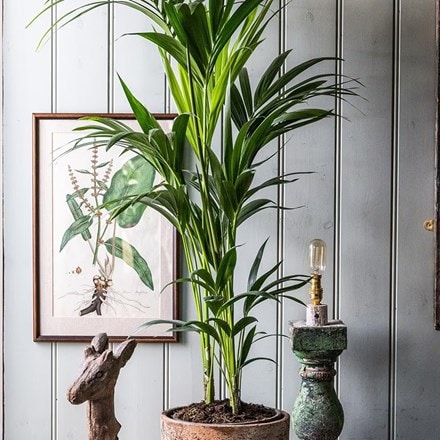
Kentia palm (Howea forsteriana)
Highlights: soft, arching fronds with a refined, timeless look. One of the best palms for indoor shade, it is slow-growing and long-lived. Suitable for those who want a low-fuss houseplant that can tolerate a shadier spot in the house.
Light & Positioning: kentia palms prefer bright, indirect light, but they are tolerant of shadier conditions. They perform well in north-facing rooms or set back from windows, as long as they're not placed in deep darkness. Avoid direct sunlight, which can scorch the fronds.
Care: kentia likes average humidity and a free-draining compost, water once the top layer has dried. Light feeding during spring and summer is enough.

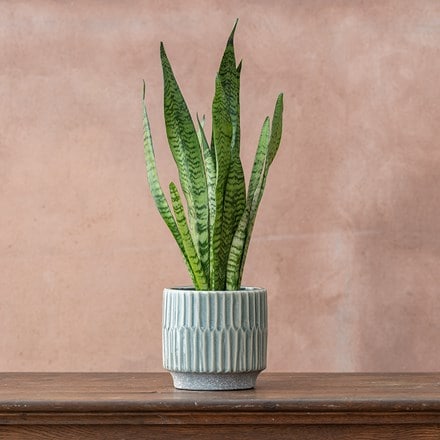
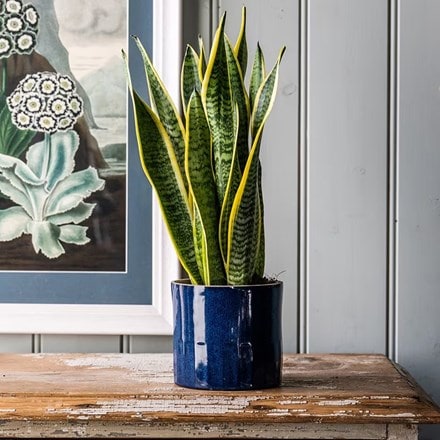
Snake plant (Sansevieria)
Highlights: extremely tough and forgiving, this plant thrives where many others fail. The upright, sculptural form suits modern interiors. It’s great for beginners or those who are a little forgetful when it comes to watering.
Light & Positioning: Sansevieria is one of the most adaptable houseplants available. It tolerates very low light, though growth and leaf patterning improve with brighter indirect light. It also copes well with dry air and temperature fluctuations.
Care: requires very free-draining soil (or specialist cacti and succulent compost)—make sure you allow the compost to dry out completely between watering. Feeding is minimal—once or twice in summer is enough.

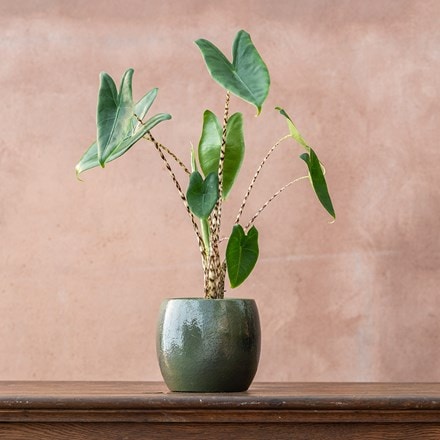
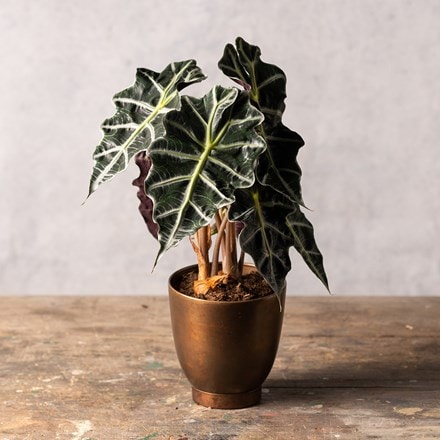
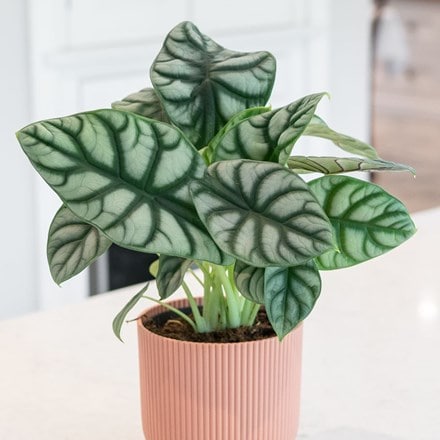
Elephant Ear Plants (Alocasia)
Highlights: with large, dramatic leaves and striking veining, this plant creates an instant focal point. It’s great for creating a lush, indoor jungle vibe. A good choice for more experienced houseplant parents who want something a bit different.
Light & Positioning: Alocasias need bright, indirect light to maintain healthy leaves. They are less tolerant of shade than kentia palms or Sansevieria and dislike sudden temperature changes or cold draughts. Bathrooms or kitchens with good light can work well.
Care: keep compost evenly moist, never waterlogged. High humidity is essential, and feed regularly during active growth. Growth often slows or pauses in winter, and plants may die back to their corm.These plants reward attention with extraordinary foliage but will show stress quickly if conditions are wrong.
Browse our foliage houseplants
20% off


Up to 20% off

20% off
20% off
20% off
20% off
20% off

20% off
20% off
