

Written by: Crocus Head Gardener Ashley Edwards
Since January days are short, it’s even more important to be outdoors. There’s still plenty to do in the garden, and if the weather is too grim to face, stay indoors and plan for the seasons ahead. Spare a thought for the wildlife and make their winter easier by providing food and shelter, you’ll find they pay you back by keeping pests at bay.
Ashley's top tips for January


Planning summer bulbs & tubers
During the gloomiest days of January, you can escape to brighter times by creating your summer bulb and tuber plan. Winter is a great time to see any potential gaps that may need filling during summer as foliage and stems die back, revealing areas for planting. There are a huge range of summer bulbs and tubers available, so it’s worth putting together a mood board to help visualise your borders and containers in the height of summer.
- Dahlias are a firm favourite and will flower all the way up to the first frosts. With an enormous range of colours and shapes, you can find the right cultivated variety to suit any style of garden. Give them plenty of space, well-draining soil and full sun to get the most from them.
- Oriental lilies are prized for their heady scent, these flowers will also attract pollinators to your garden. They will grow tall, so stake your plants and give them a fertile, moist soil in full sun to light shade. They make excellent cut flowers to bring indoors. They can however be toxic to pets, so be aware.
- Cannas are another subtropical plant that has bright flowers and eye-catching foliage. They are hungry plants that like moist, well-drained soil and full sun. One of my favourites for the exotic garden.
Discover new season dahlia collections


Bird and wildlife care
Whilst some birds migrate during winter, others stay in the UK and persevere. By giving our feathered friends a helping hand, we can ensure that they stay healthy in winter and make it through to spring. The declining number of songbirds makes this even more important for gardeners everywhere.

Feeding birds in winter
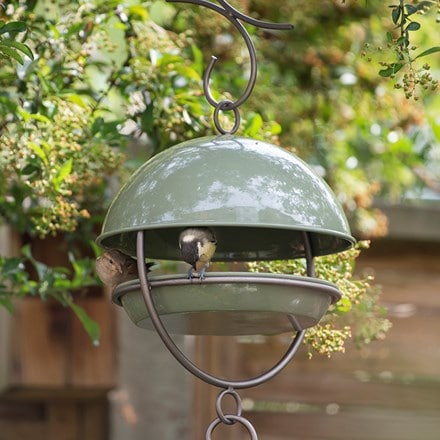
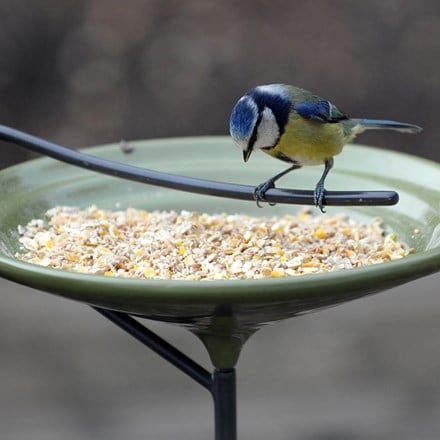
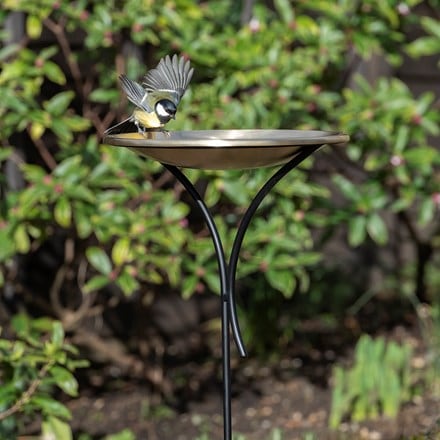
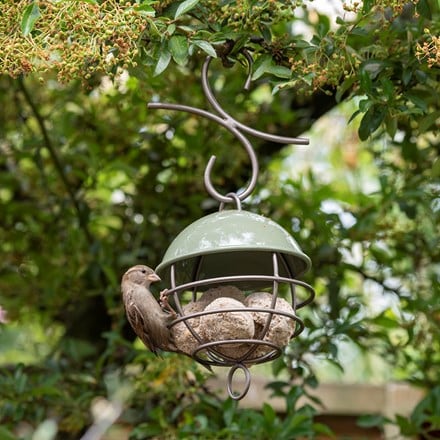
During the winter, there is less access to food for birds, and if the ground is frozen, many will struggle to find their usual food source. Putting out food on bird tables or in feeders is a simple and effective way of helping wild birds. Always remember to place food out of reach of cats and away from trees if you want to avoid squirrels. Clean your bird feeders regularly with a non-toxic detergent and water to prevent the spread of diseases.
As well as feeding your birds, put water out for them. During freezing temperatures, make sure that you defrost bird baths with warm water. Change the water daily to keep it clean and safe for birds.

Provide natural food & shelter
Having trees and dense hedges in your garden is a great way to provide food and shelter for birds, encouraging them to visit all year round. Trees such as rowan, hawthorn and holly produce berries that persist into winter, offering a valuable food source when supplies are scarce, while holly’s dense, spiny foliage also helps smaller birds stay safe from predators.
Other garden visitors will also appreciate cover during the winter. Try piling logs to provide a home for invertebrates, frogs and toads. You could build a dead hedge from woody prunings, layered with other garden trimmings. This is an excellent habitat for many insects and small mammals, maybe a hedgehog if you’re really lucky.
Our favourite winter feeders


Fruit tree pruning
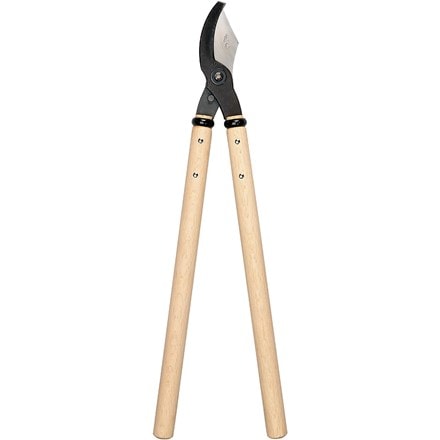
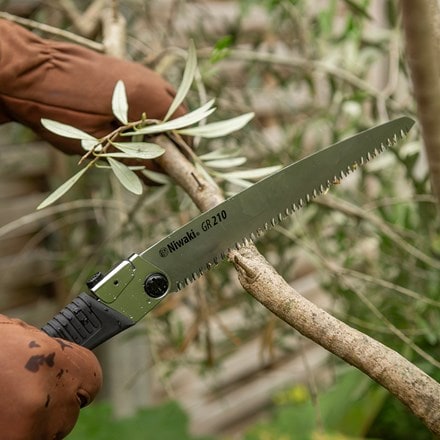
Apples and pears are best pruned in winter whilst they are dormant. The aim of pruning in winter is to create an open goblet shape to your tree, which will keep it healthy and productive. Always use sharp, clean tools and wear gloves and protective glasses. If you are working on a large tree, a tripod ladder is recommended. Start by removing the three ‘D’s’ - dead, diseased or damaged wood. Once you’ve done this, you can move on to the formative pruning.
The Royal Horticultural Society (RHS) has in-depth guides to pruning depending on different training styles and fruit-bearing varieties, but here is an outline:
- Prune out any branches that are rubbing against each other, and thicker stems that are growing inwards, toward the centre of the tree. Downward-growing stems can also be pruned out as they won’t receive enough light and could cause an obstruction.
- Shorten all the previous year’s growth on the main branches by a quarter or a third and prune back to an outward-facing bud. This encourages branching and fruiting spurs. Leave young side shoots to mature and produce fruiting wood in the second year.
- On older spur-bearing trees, you can thin fruiting spurs, leaving a space of 10-15 cm between them.
- Tip-bearing trees are less common, however, if you have this type then you can reduce mature, long branches by a quarter to prevent them from growing too long. Prune back to a young, healthy, strong side shoot, closer to the trunk.
- For older vigorous trees, you can reduce height and overcrowding by pruning larger branches back by a third, to a strong upward-growing side branch that’s at least one third the size of the branch being pruned.
- Apples and pears should be pruned annually to keep them healthy and produce fruit. There’s nothing more satisfying than growing your own fruit, and there are trees that will suit any size of garden.
Top of the chops