

Written by: Crocus Head Gardener Ashley Edwards
December is a month where evergreen shrubs and winter flowering plants take centre stage in the garden. Winter highlights the importance of having good structure in the garden to provide seasonal interest all year round. There is still plenty of colour to be had in the garden and you can also shift the focus indoors with houseplants and forced bulbs to provide some extra colour for the cosy nights in.


Container Colour
Window boxes and containers are a great way to introduce colour into the garden this time of year. You may not be going out into the garden as regularly, but by placing containers in sight of windows, you'll be able to gaze out at some winter cheer.
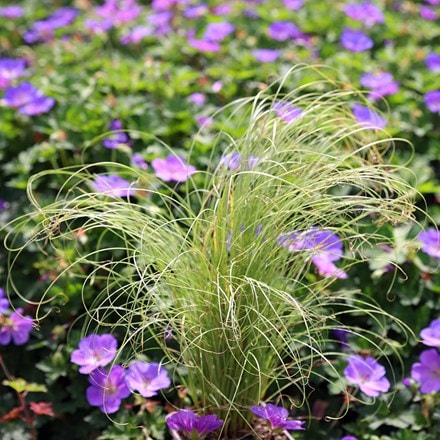
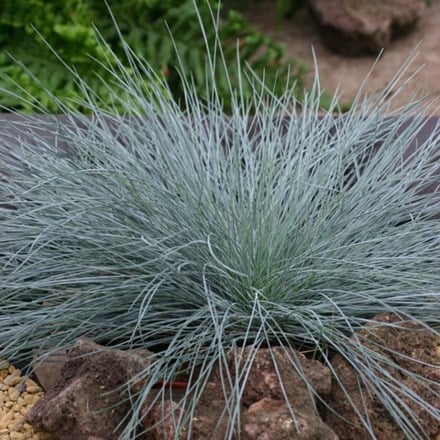
When planning your containers, think about mixing texture as well as colour. Grasses such as Carex ‘Frosted Curls’ have leaves that twist, curl and dance in the wind as well as looking spectacular in a frost. Festuca ‘Intense Blue’ is another of my winter favourites, the glaucus foliage giving a gorgeous contrast for the pure white flowers of Hellebore ‘Christmas Carol’. There are hellebores to suit every garden and they come in shades of pure white to deep purple/black, even yellow cultivars are now available.
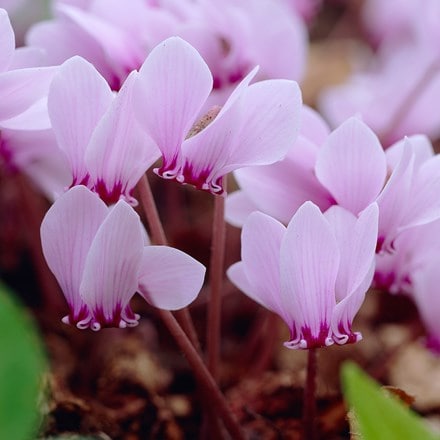
A winter garden wouldn't be complete without Cyclamen hederifolium. They are an autumn flowering plant, but with our mild winters they often continue on into December, the foliage providing an attractive marbled ground cover. I’d encourage you to use ferns in your containers, they work well at filling gaps and evergreen varieties provide year round interest. Polypodium is one of my favourites as it has deeply lobed fronds and a zingy green colour.
There is a handy phrase in container planting that can help you when it comes to planting: ‘Thriller, Filler, Spiller’. The thriller should be the centre piece of the container, either showy flowers or structurally tall. The filler are the plants you use to bulk out your container and add some interesting contrast. The spiller should tumble over the edge of the container to soften it. There aren't any hard rules, but using this thought process will create a visually balanced container that looks good from all angles. Enjoy your winter container plants all the way through to spring, when you can switch them out and plant in your garden.


Planting for winter Nectar
On sunny winter days you will see pollinators searching for nectar, so it’s really important to have a diverse range of plants in the garden to help support them.
Some shrubs have evolved attention grabbing scent and colour, that attract pollinators venturing out on a clear day. As mentioned earlier in container planting, Hellebores have fantastic flowers through winter and bees adore them. The single flowers are more accessible to pollinators than the double hybrids, so consider this when planting.
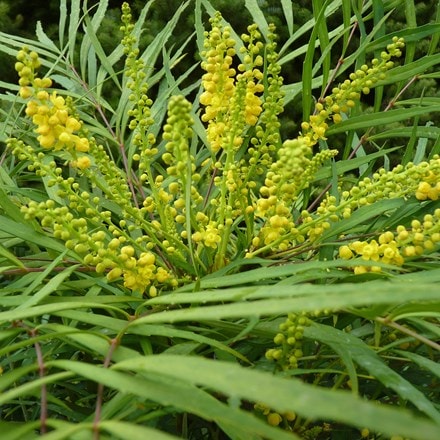
Mahonia x intermedia has spikes of bright yellow flowers that brighten even the dullest days. The scented flowers attract bees and are followed by dark purple berries. They are a tough plant and tolerate most growing conditions thrown at them. If you are looking for a spineless, more dainty cultivated variety try Mahonia ‘Soft Caress’.
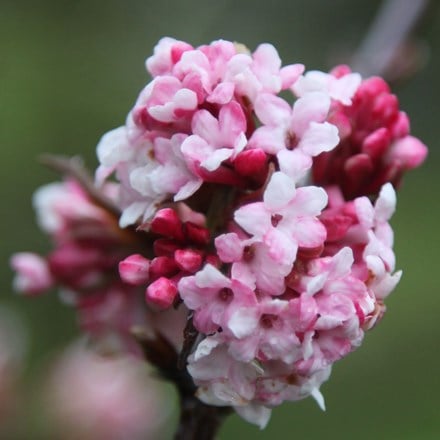
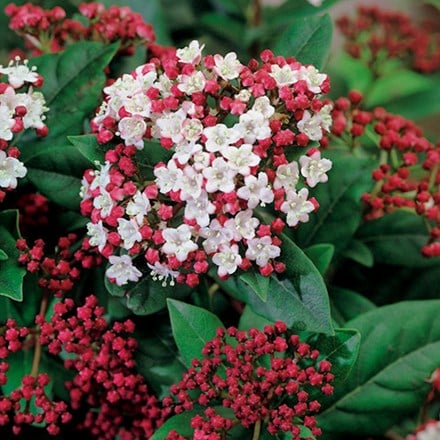
The Viburnum genus contains some of the classic winter flowering shrubs with pretty pale pink and white flowers that are often scented. Viburnum x bodnantense ‘Dawn’ has fragrant flowers from November to March and are best planted near a pathway or entrance where the scent can be appreciated. Viburnum tinus ‘Lisa Rose’ has red buds which open to creamy white flowers throughout the winter and provide a splash of colour in the darkest months. They tolerate shade so are useful for a dim corner of the garden.
Hamamelis or Witchhazel, is a dramatic winter flowering shrub with spidery, citrus-peel like flowers from January-February. The scent is soapy and fresh, which attracts many pollinators. The plant has traditionally been used in traditional medicines, especially for the skin. They have the added bonus of rich autumn colour and can be left to grow into goblet shaped small trees.
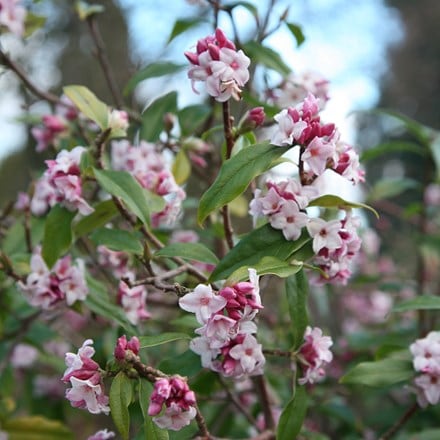
Daphne has to be one of the most powerfully scented winter plants. Its buds open up in January-February and the fragrance is irresistible. They will attract pollinators from far and wide. Daphne bholua ‘Jacqueline Postill’ is great for a protected and sunny wall in your garden. They don't appreciate root disturbance, so once planted, leave to settle in.
Using scented plants in the garden creates an uplifting environment that you'll want to spend time in, even in the depths of winter!


Hardwood Cuttings
Plants have the unique ability to propagate themselves, and as gardeners we can use this to our advantage. During winter, when deciduous shrubs are dormant, is the best time to take cuttings. By using the following method you can easily create more of your favourite plants for free:
Step 1:
Select your shrub. It should be fully dormant without leaves, healthy and disease free. Most deciduous shrubs make good hardwood cuttings. Hydrangea, viburnum, forsythia, dogwood, rose, honeysuckle, fuschia, willow, fig and currants are just a few.
Step 2:
Select healthy upright growth and cut a stem below a node (the growth points which appear as regular lumps and where leaves/branches would normally grow from) giving yourself a cutting of around 20-30 cm in length.
Step 3:
Chop the top off at a 90 degree angle to allow water to run off and prevent the cutting from rotting.
Step 4:
Place your cuttings into a pot of well drained compost up to two nodes deep. You can place multiple cuttings into one pot, and commercially they are often bundled together to save space. You can also use the slit trench method where you plant into a shallow trench in the ground. You can water the cuttings if needed during dry spells, but winter rains should be enough and over watering will rot your cuttings.
Step 5:
Leave you cutting outdoors and wait until spring where you should see signs of new growth. This tells you that your cuttings have rooted and are ready to pot on or plant out.
The sense of achievement when your cutting has rooted and begins to thrive as a young plant never gets old and once you start taking cuttings you'll be hooked. Why not gift your favourite plants as cuttings to friends and family?
Whilst we may spend less time outdoors during the winter months, there is still plenty to see and do. Noticing where you have gaps now will help you plan and plant for interest all year round. The darker season makes the uplifting colour of the garden even more important.