




Written by: Ashley Edwards
August is a time where we should try and enjoy the fruits of our labour. The hard work we've put in earlier in spring is now paying dividends and the long warm evenings mean we can spend even more time relaxing in the garden. To extend the enjoyment of your garden into late summer and autumn, there are some things you can do now that will bring colour and vibrancy to your space.
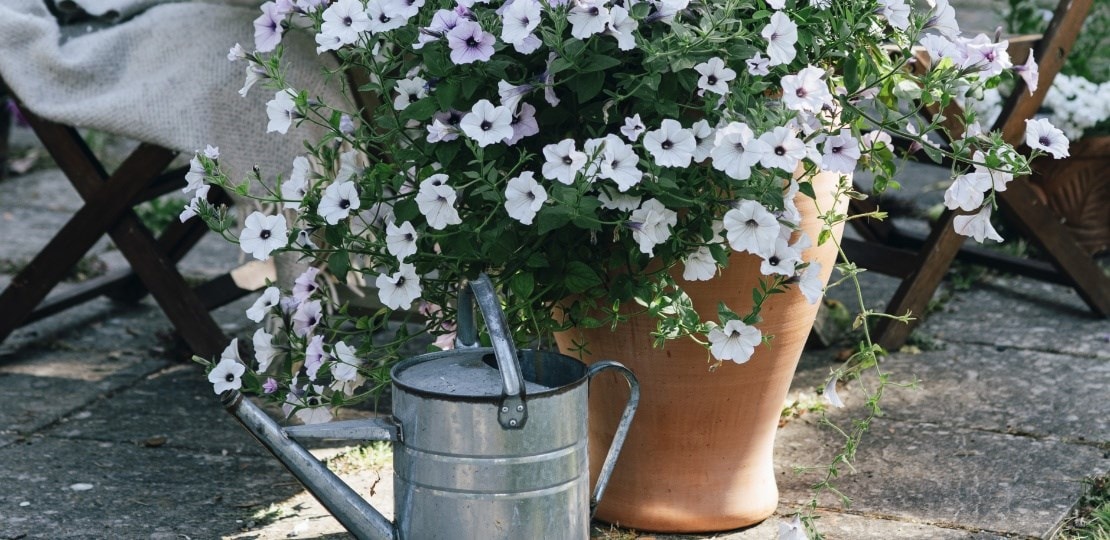
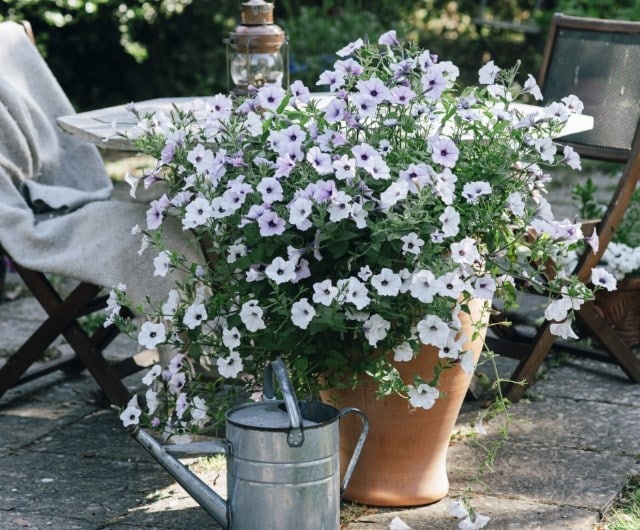
Keep your containers looking great
To get the best out of your containers it’s important to have a regular watering schedule along with deadheading and feeding.
During the hot months of August, containers can dry out quickly and plants can suffer. Even if it does rain, it’s unlikely that enough water will reach the soil of the plant pot. During the hot months it’s good to have pot trays to capture water, and you can keep these topped up for the plants to absorb. They are useful if you're going away for a short break and can help get plants through a dry spell. Terracotta ollas are a practical and decorative way to water your border plants. These vessels are buried up to their neck and then filled with water. The water is released slowly into the soil by using soil-moisture tension, where it then becomes available to nearby plant roots. This technique has been used for centuries and is effective for crops and newly planted shrubs or perennials in a moisture retentive soil.
Deadheading your plants regularly will promote new flowers throughout summer. Using snips (or your fingers), take spent flowers of bedding plants and perennials back to the next set of leaves. This will prevent the plant producing seeds and encourage new flower buds to form. I’d recommend doing this every few days. It can be a really nice mindful practice to connect to plants, take your time doing it and notice the different stages of the flower, from bud to seed head. I often get lost in deadheading and the repetitive nature of it is almost like a meditation.
Feeding your container plants is important. If you've planted into fresh compost, this will last around 6 weeks, but after that the plants will rely on you for food. An organic feed, like organic liquid seaweed is best and you can water it in weekly. You can also use liquid comfrey if you are making your own, or run off from a wormery. For extended flowering it’s best to use a high potash feed as this is the main nutrient for flower production.
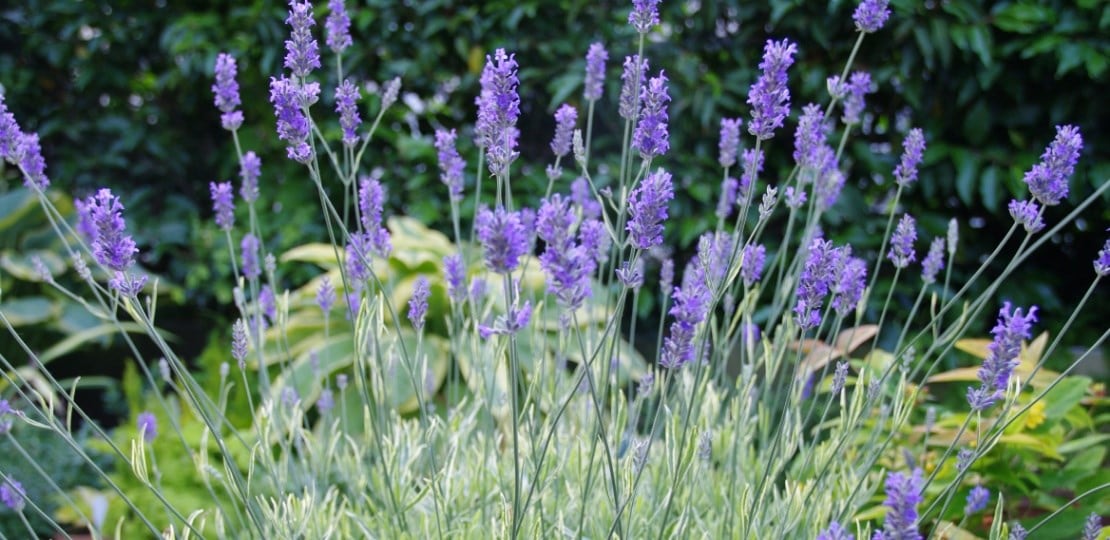
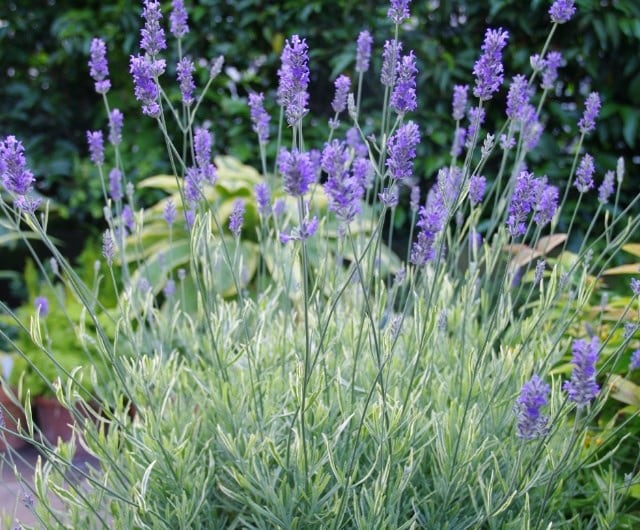
Avoid leggy lavender
Lavender is a plant that every sunny garden has space for. It’s great for pollinators, has stunningly scented silver/grey leaves along with the flowers which come in a range of colours and have been used for their perfume since ancient times.
Lavender thrives in heat and is a great plant for a sunny dry border. They hate having wet feet, so make sure you position your plant with excellent drainage. Lavender is a fantastic choice for pots and there are compact varieties available such as L. ‘Dwarf Blue’ and L. ‘Munstead’.
In the garden lavender can become leggy with age. It doesn't generally produce growth from old wood, so it’s important to trim your lavender regularly to keep it looking its best.
August is a great time to prune lavender, just as your flowers may be starting to finish. Pruning in August can give you a second flush of flowers and it allows any tender new growth, produced after pruning, time to harden off before the frosts.
To prune for shape, use a pair of sharp secateurs or if you have a large shrub, hedging shears will work well. Aim to take around 2.5cm of growth off, but avoid cutting into old wood. If you want to encourage a second flush of flowers, then just take off old flowering stems back to a pair of leaves. You can do the harder prune slightly later if your lavender is in a protected position or you live in a warmer part of the country.
If planted in the ground, lavender doesn't need feeding, but if it’s in a container it may benefit from an organic feed such as liquid seaweed. It’s a good idea to topdress your pots with some organic peat free compost annually in the autumn.
Bees adore lavender and will visit your garden along with many other pollinators. Sitting and watching these visitors is a great mindful practice and a way to engage with your garden space in a grounding way. The calming scent of lavender has been used for millennia to soothe and more recent studies have found that the compounds present in the plant are thought to interact with our limbic system which regulates mood, memory and emotions. All of this makes lavender an ideal plant for a wellbeing or sensory garden.
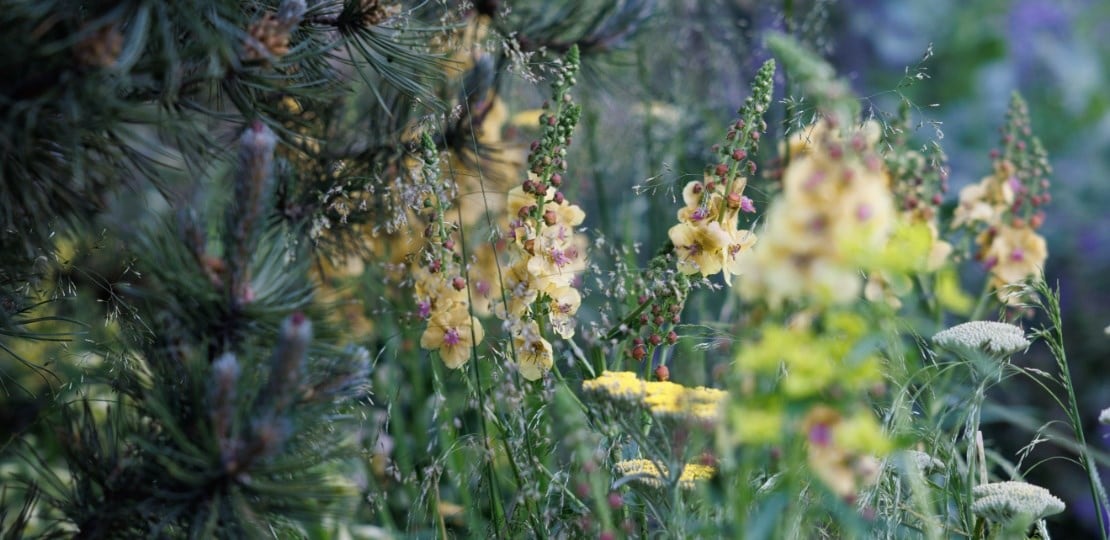
Supercharge summer displays
Many perennials may be looking a little tired by August and now is a good time to supercharge your summer displays. There are many plants that will add colour to your border or pots and continue on well into autumn, here are just a few:
Achillea millefolium cultivars - also known as Yarrow, these plants come in a variety of colours and have delicate fern-like foliage. They work really well on a well drained, sunny border and are resistant to drought. They'll provide colour into September and the flowers are perfect landing pads for pollinators.
Actea simplex - these tall perennials like part-shade on a moist but well drained site. They look best at the back of a border where they can show off their impressive flower spikes. The autropurpurea group has deeply divided, plum coloured foliage which contrasts well with the white flower spikes and provides an interesting backdrop for other plants in your border. Once the flowers finish in October, the stems can be left standing for winter interest.
Echinacea purpurea - coneflower is a magnet for pollinators and flowers well into September. The spent flower heads will provide structure over winter. Choose a sunny, open, well drained site for planting. Echinacea looks brilliant when paired with late flowering grasses.
Anemone - another spectacular flowering plant for late summer and autumn. Japanese anemone come in various shades of pink or pure white and do best in dappled shade in a fertile, well drained soil. The single, open form flowers are a good source of food for pollinators. They can take a few years to settle in, but once they do they form strong clumps.
Rudbeckia fulgida cultivars - these perennials have brightly coloured flowers, reminiscent of daisies but in golden yellow hues. They are sturdy plants and grow best in full sun in a fertile but well drained border. Through winter the old seed heads provide interest and can house hibernating insects. Regular deadheading will keep them flowering until the first frosts. I've seen them flowering throughout the year in sheltered London gardens.
Tricyrtis formosana - one of my autumn favourites, this toad lily has the most intricate, purple, speckled flowers. It thrives in shade and looks at home next to a pond. Despite its delicate looks it is fully hardy and will spread over time.
Many of these plants will lend themselves to the prairie style of planting. Prairie planting is a style which mimics the landscapes found in North America. It uses repeating clumps and drifts of plants with varying textures, forms and heights. Movement, seasonal change, biodiversity and resilience are all key themes within a prairie style garden. The great thing about this style of planting is that the structure will often last through the winter months, providing habitat and interest. Seed heads will often be adorned with cobwebs and frost which adds an ethereal effect to the garden.
Planning for spring
Now your garden is at the height of growth, it’s an ideal time to look for gaps that could be filled with spring bulbs. Start planning a colour palette and think about creating a long display throughout the season.
Early flowering - look at planting snow drops and early narcissus such as N. ‘Early Sensation’. Crocus, Iris riticulata, Scilla and Eranthis hyemalis (winter aconite) are fantastic choices for a splash of colour early in the year. Early flowering spring bulbs herald the beginning of spring and bring a sense of joy for the season ahead.
Mid Season - some varieties of Narcissus flower all the way up to May. N.‘Thalia’ is pure white, multi-headed and is good for carrying through from April to May. Fritillaria (snakes head fritillary) have amazing geometric patterns on their petals and flower around April time. Cammasia like a damp soil and do well in meadows, the colours are available from white to pale and deep blues, they look great planted en-masse. Tulips are a garden staple and come in every form and colour you can imagine. Some are more reliably perennial than others, look for species tulips or tulips from the veridiflora groups if you want them to naturalise. Tulips planted in autumn will flower from late April to the end of May depending where you are in the country.
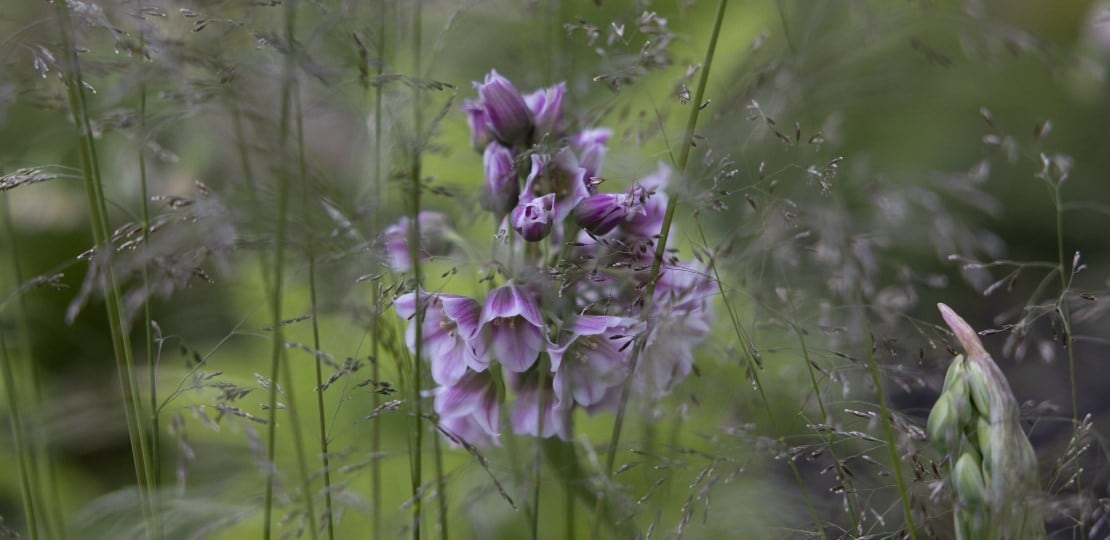
Late Season - alliums are the perfect bulb for filling the June gap. They come as large pompoms like A. ‘purple sensation’ to drumstick forms in A.sphaerocephalon and the unusual firework form of A. siculum. Plant among grasses to hide the fading leaves. For a touch of the exotic why not try Martagon lilies. They are tall and work great as a centre piece in the border, with brightly coloured petals that curl backwards exposing the nectar and pollen for insects.
I love planting spring bulbs as it’s an act of hope, looking forward to a whole new year of flowers. They fill the gap before the perennials really come into their own, and provide essential food for pollinators coming out of hibernation.
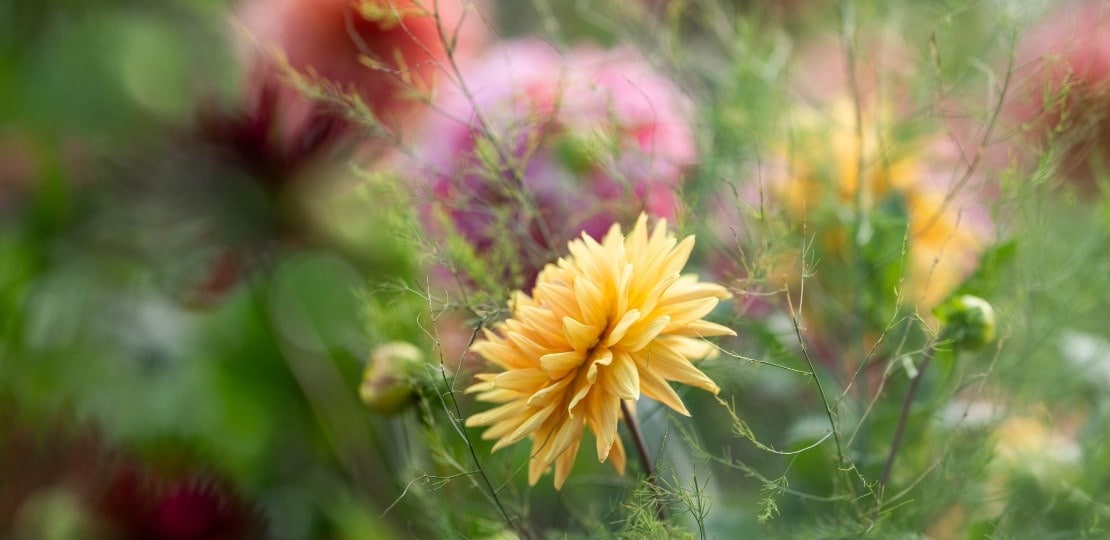
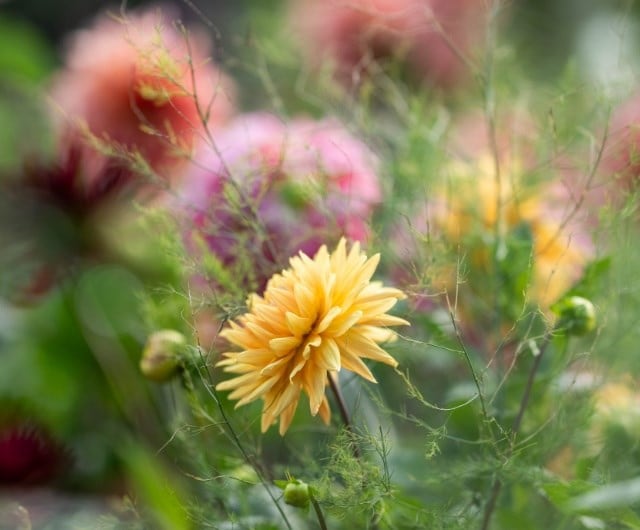
Keep your dahlias blooming
Watering
Dahlia are thirsty plants and require moist soil. As soon as they start sprouting, look to water them thoroughly and regularly. They prefer a good soaking every few days rather than a daily sprinkle. If you've grown them in pots of containers, water daily to ensure they stay moist.
Feeding
Like most cut flowers, dahlias appreciate a regular feed. While it is growing, provide a high-nitrogen liquid fertiliser each week in June to ensure healthy leafy growth. Use a high-potash fertiliser each week from July to September, which will help them produce lots of flowers.
Staking
Dahlias can grow large and will require staking, especially with large-bloomed cultivars, like 'Cafe Au Lait'. Stake with canes or brushwood. We love our Crocus Collection support for dahlias. Both beautiful and functional, try our low mound support, fluted plant support or teardrop plant support.
Deadheading
Dahlias are a fabulous plant for cutting gardens; the more you cut, the more you get. Deadhead them regularly to keep them flowering for months on end. To deadhead, cut the faded flower stem at the first set of true leaves. Double forms last longer than singles, so there's less deadheading if you're short on time.
