



REDUCE, RE-USE, RECYCLE

Whether you're building a new garden, or simply adding to it, be mindful that many of the choices we make now will have a long-lasting effect. Where possible, get creative and up-cycle old furniture, pots, tools etc. Think about whether you can use that old egg carton for your seedlings, some tin cans for potting up, or an old plastic bottle to help direct water to the roots of your plants. It's often quite amazing what a bit of sandpaper, elbow grease, paint or oil can do!

Conserve water
We talk about this a lot - and it's something we do every day on our nursery. Here in Windlesham, we've built our own reservoir, which cnow holds nearly 3 olympic-sized swimming pools of water. This summer we're aiming to be totally self-sufficient. On a smaller scale, installing a water butt to capture rainwater as it falls, will be one of the best ways to reduce your water use. Your plants will also be happier and healthier, as they much prefer rain water to the chemically treated water from the tap.
Lawns are naturally very thirsty and regular mowing means they're even more vulnerable to drought in hot summers. If possible, allow your lawn to grow longer in hot weather or consider taking part in 'No Mow May'. Not only will the longer sward keep the roots protected from the sun, but it will also encourage beneficial insects including bees, and butterflies to set up home in your garden. If you'd like to make the wildlife in your garden even happier, replace a section of lawn with native planting and wildflowers.
Finally, if you live in a part of the country that doesn't see much rain, or if you'd like to reduce your water usage, choose plants that naturally originate from drier regions. They'll still need a good amount of water until they've settled in, but once established, they'll cope with a lot less water than most.

Design consciously
If you are considering design changes in your garden, think about the materials that you will be using - and if possible choose natural hardware that will support the biodiversity that will be living in your garden. Also, think about where (and how) these materials have been sourced and try to make choices that will minimise the impact on the natural environment.
Try to increase the vegetation in your garden - either by widening the borders, or when paving large areas, creating planting pockets. Not only will these soften the overall look, but they'll also allow for natural water drainage.
Choose your plants wisely, sourcing them from UK growers (to reduce their carbon footprint) and making sure that they'll do well in the spot you have earmarked for them. Additionally, try to grow a diverse range that will appeal to different species, creating a smorgasbord for all kinds of wildlife to enjoy.
And finally, where possible, reduce the use of single-use plastic, repurposing rather than buying new.

Make your own compost
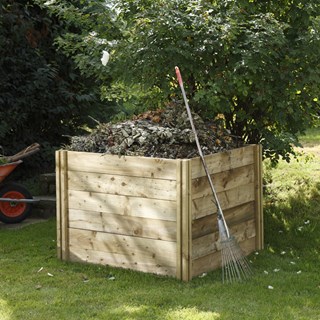
Aim for a zero-waste garden by making your own compost.
Home made compost is amazing stuff. Not only will it reduce your household waste, but it will deliver a huge nutritional boost to your plants, either when dug into the soil, or when used as a mulch to topdress borders. Compost will also help attract beneficial organisms (reducing the use of pesticides), while improving the soil's structure and ability to retain moisture - resulting in less watering.
On our nursery we make our own compost on a huge scale. In your garden, If space is tight, make your compost in a compost bin, which can be tucked behind the shed, or collect a few bagfuls of fallen leaves in autumn and turn them into leaf mould. Packed with nutrients, it also encourages the development of beneficial fungi.
CROCUS TIP
We grow all our plants in taupe pots, which not only can be recycled, but they're also made from recycled plastic. All of our suppliers also use pots made of recycled plastic, but not all of these can be recycled by you at home. Instead of throwing these pots away, try to keep them and use them throughout the year. They're perfect for potting on seedlings, taking cuttings and sowing seeds.