July in the garden: Seasonal jobs with Ashley Edwards

Garden Designer Lucy Willcox

Written by: Ashley Edwards

By now the garden should be looking rather smart, but if there are gaps in borders, or if the patio still needs a bit more colour, then do a quick top up before sitting back and enjoying it all while the weather is good.

Many of you won't be able to sit still for long though as there are always lots of little jobs that will niggle unless they're tackled.

Things like deadheading flowers that are past their best, tying in wayward climbers, pulling out the occasional weed and some general primping and preening won't take long, and they can all be tackled with a cool drink in easy reach. The plants will need plenty of these too, so make sure you keep up on the watering and they don't go thirsty.

Crocus Head Gardener Ashley Edwards tells us what else we can be doing in the garden this month

Testing plant resilience

In the Crocus at Dorney Court garden, we’ve created three experimental beds. One is traditional loamy soil with a compost mulch, one is rubble and hardcore, and one is sand on top of subsoil. Over the last few weeks, the temperatures have been extremely high, and despite not being irrigated, the plants in the sand and rubble beds are doing well, flowering and looking healthy.

The plants in the soil bed are also doing well, but are looser, taller plants and tend to appear more stressed in the hot temperatures. We are trying to show that by growing plants tough, and in sharp drainage, they put deeper roots down and are therefore more resilient when it comes to drought periods.

The plant choice is important as these growing mediums wouldn’t work with every plant cultivar. The best-performing plants are Achillea ‘Terracotta’, Euphorbia myrsinites, Salvia nemorosa ‘Caradonna’, Phlomis italica, and Allium sphaerocephalon, and the colours work beautifully together.

We haven’t irrigated these experimental beds, but if you do water your plants, it’s always best to give them a good soak less frequently, rather than little and often. This helps the plant produce deep roots that will be more resilient to drought periods. This is something you can replicate in your own garden routine, and if you happen to have building work or landscaping in your garden, save the hardcore, sand and gravel to create your own climate-resistant planting beds.
Climate resilient plants

Plants that cope well with extremes in weather

Shop now

ashley_deadheading
ashley_deadheading

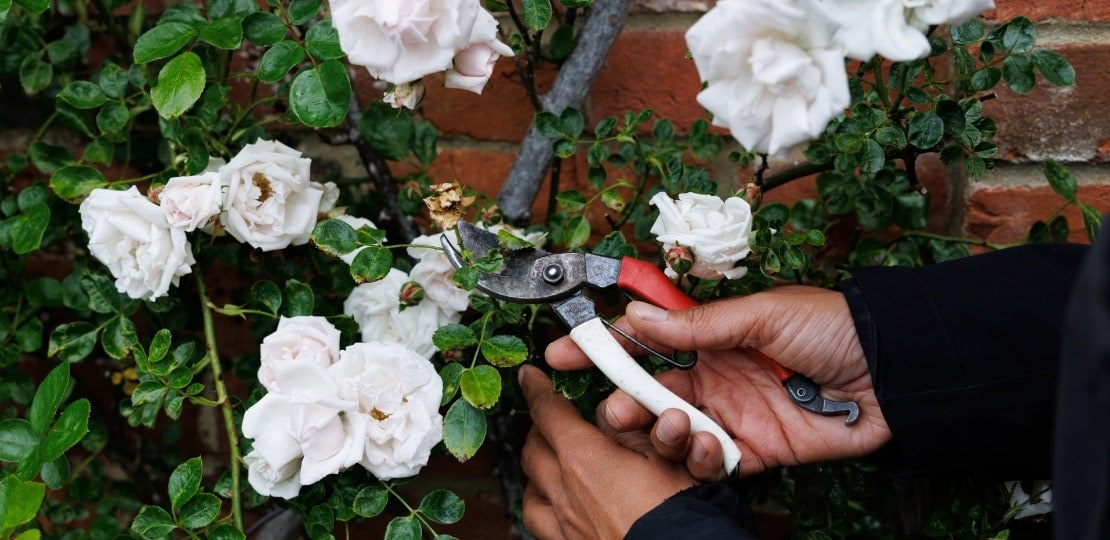
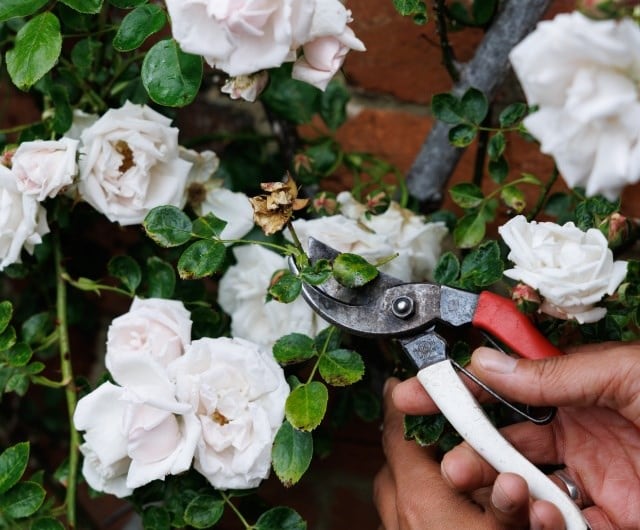
Deadheading for longer lasting blooms

The ultimate purpose of a flower is to attract pollinators which transfer pollen, fertilising the flower. Once pollinated and fertilised, a flower loses its petals, and the ovule swells and produces seeds (or fruit in many cases). By dead heading, we interrupt this process and so the plant produces more flowers in an attempt to be fertilised again.

Deadheading extends the flowering period of your plant and encourages more blooms. Pelargoniums, petunias, gazania, calendula, sweet peas, cosmos and many other annuals require regular deadheading to keep them looking their best. Deadheading can also be beneficial for perennials too. Perennial salvias will repeat flower if the spent flowers are trimmed off. Dahlias respond extremely well and will continue to produce blooms right up to the frost if you keep on top of deadheading.

Some plants like nigella, poppies, alliums, dog roses, ornamental carrot and many more have ornamental seed heads so avoid deadheading after their flowering season, leaving seed heads to provide winter interest.

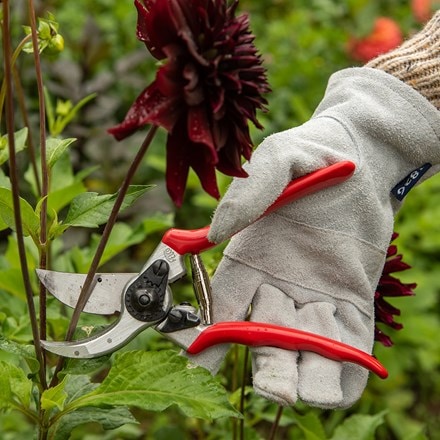
When deadheading, take the flowering stem back to the next set of healthy leaves. You can often use your thumb and fingers to pinch off the old blooms, a sharp pair of snips will work equally well. If you have a large bushy plant, like lavender, and the flowers have largely gone over, you can use a pair of shears to give an overall deadhead.

With continuous deadheading you’ll have a beautiful display through the summer season.

Secateurs & snips

Make light work of your garden tasks

Shop now

A summer getaway for your houseplants

A summer getaway for your houseplants

During summer, houseplants can benefit from being moved outdoors. The fresh air, rain, and increased sunlight can boost their growth, improve health, and even trigger flowering in some species. When moving your plants outdoors, make sure to do it gradually, sudden exposure to the outdoor elements can lead to shock and scorching. In very hot weather, it’s advisable to move your houseplants to a shaded spot and keep them well watered. Shelter them from harsh winds and keep an eye out for insects that may take a liking to them.

Summer is a good time to repot your houseplants too, as they are in active growth. Most foliage plants will do well in a general houseplant compost, but cacti and orchids will need more specialist growing media. When repotting, you don’t need a huge pot, it’s better to go one size up to avoid plants being swamped in compost or overwatered. For cacti, succulents and orchids, you can reuse the same size pot with fresh compost/orchid bark, unless they have visibly outgrown their pot.

Be sure to bring all houseplants back indoors during autumn, before temperatures drop, and check for any pests.

Foliage houseplants

Foliage houseplants

Shop now

Orchids

Orchids

Shop now

ashley_summer_gaps
ashley_summer_gaps

Transform your border gaps with summer colour

Summer is a great time to see where you have gaps in your garden. Plants may have died over winter, new plants may be taking their time filling out or borders may have been extended, giving you new opportunities. Fast-growing annuals can provide colour for the rest of the season, while potted perennials and ornamental grasses offer longer-term structure and interest.

Perhaps you want to create a colour theme, or maybe introduce a new colour to your border? For sunny spots, try long-flowering favourites such as cosmos, zinnias, verbena and calibrachoa, while shadier areas can be brightened with begonias, impatiens, fuchsias and colourful foliage plants like coleus. As well as adding instant impact, filling gaps helps suppress weeds, shade the soil, retain moisture and create a more abundant, layered planting scheme. Using annuals allows you to keep your border dynamic and choose different plants each year. Experimenting with colour and form can become something to look forward to each year, and the range of annuals you can grow from seed is huge.

Summer-flowering bulbs are another fantastic way to fill gaps in borders and containers, bringing bold colour, texture and interest just when many spring displays are beginning to fade. Fast-growing options such as dahlias, crocosmia, lilies, and gladioli can be planted into sunny spaces for a spectacular display from mid-summer onwards, while shade-tolerant begonias are ideal for brightening darker corners. We often think of spring and autumn as the time to plan our borders, but summer also offers valuable insight to how our plants knit together and where we might want to add a sprinkle of extra magic.