

Written by: Ashley Edwards
Three jobs for February in the garden
February can be an exciting time in the garden, if you look close enough! Snowdrops up and flowering, hellebores are taking centre stage and the sweet scent of winter flowering shrubs fills the air. When the sun is shining you could almost imagine that spring has already arrived!

Cutting back perennials & ornamental grasses
February is a great time to begin cutting back herbaceous perennials to make space for spring bulbs to emerge, but if you leave pruning too late you risk accidentally removing new growth along with the old. Before you prune, check that no heavy frosts are forecast, look out for overwintering insects (leaving any stems that are housing creatures until March), and prune carefully as fresh growth may already be starting to appear.
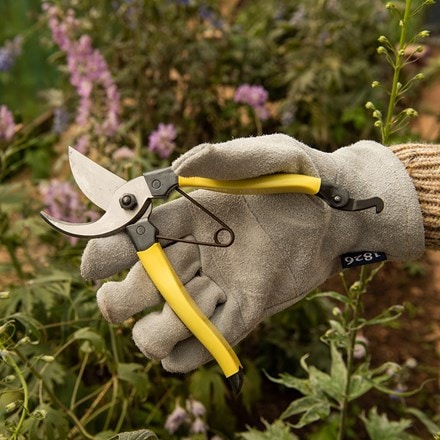
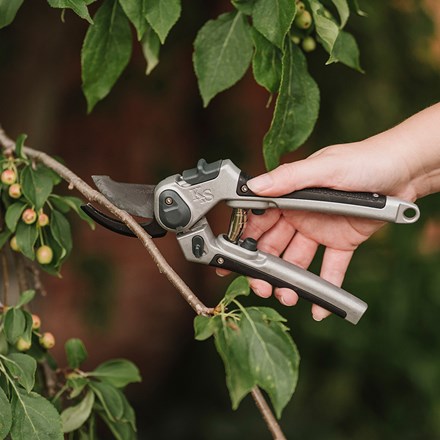
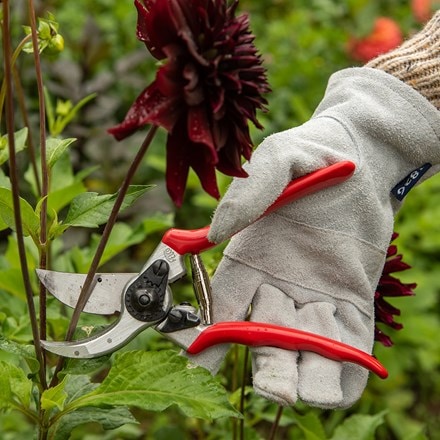
The tools you select should be comfortable to use, appropriate for the scale of cutting back you’re doing, clean and sharp. Secateurs are great for individual plants and grasses, a scythe works for large clumps of grass like Miscanthus, and if you have a whole grass garden, you could even use a strimmer. Some herbaceous plants, like Verbascum for example, form very woody old stems and you may need to use a pair of loppers.

When it comes to cutting grasses back, your technique will depend on whether they are evergreen or deciduous:
Deciduous grasses - these can be cut down to 5-10cm above ground level and include Miscanthus, Pennisetum, Molinia, Panicum and Calamagrostis.
Evergreen/semi evergreen grasses - should be combed either using your hands (make sure you wear gloves!) or a hand rake or comb. These include Stipa tenuissima, Festuca glauca, Carex, Luzula and Sesleria.
Avoid cutting your grasses back in very wet weather as this can cause your plant to rot. If the clump has been in the ground for several years and is looking bare, you can rejuvenate it by digging it up and dividing in spring.
To help wildlife, cut back in stages so any insects can have a chance to hide in another patch of the garden. If you can leave an area until spring arrives, even better. You could also leave some stems standing throughout the garden. Hollow stems are particularly good for overwintering insects and pithy stems are great for hibernating solitary bees. The greater the diversity in your garden, the healthier it will ultimately be and so try to mimic nature where you can. I recently learnt at the Wilding Gardens conference that Knepp cuts plants back at different heights and times to imitate natural grazing by herbivores.