How to make perfect compost

Recycling garden waste is good for your garden and the environment. It is also a very satisfying process as you'll have the last laugh on all those pesky weeds.
How to do it
Making compost is really very easy, but for reliable results you need to understand the principles behind the process so that you can manage it effectively. In essence, making compost is like making a cake: you have to have the right equipment, the right ingredients (in measured amounts), then add water and mix thoroughly before ‘cooking’. The soil-borne micro-organisms will then do all the hard work for you. For a well-done compost, ‘cooking’ can take anything from a few months to a year, depending on the material you use, the time of year you start (the process is faster in warmer weather) and the sort of compost you want at the end of the process.
- What do you need? You need a bin, a variety of organic waste materials and a little patience.
- What size bin?
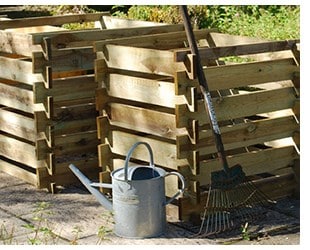 A bin will keep the material neat and tidy and help retain moisture and heat. Choose one to suit the size of your garden, but a good size is usually around 1m³, as this will hold enough material to compost efficiently. In a large garden you may need two, three or even more bins to recycle all your waste. Smaller bins can work well, but they do require more careful monitoring to keep the conditions right for decomposition. If your garden and household doesn't produce sufficient organic waste to fill a bin of this size, you could get together with gardening friends and neighbours to produce a communal composting bin.
- How much waste? Aim to fill your bin as quickly as possible, because the decomposition process won't start in earnest until the bin is full. In practice, this should take about a month.
- What can I compost?
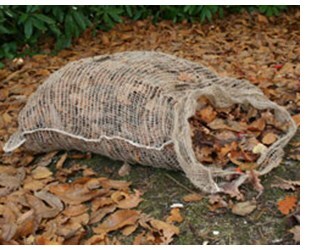 To get quick decomposition you need to have the right ingredients in the right proportions. A balanced diet of dry fibrous material (such as shredded prunings, newspapers or straw) should make up at least 50% of the mix, with wet green material (such as grass clippings, discarded bedding, weeds and fresh manure) making up at least 25% but no more than 50%. Try not to let one ingredient dominate the mix, but aim to have a good balance of the different elements.
- Can I add woody prunings? Yes, but all woody material needs to be chopped finely before it is added to the compost bin otherwise it will take longer to decompose than the other ingredients. The easiest way to chop it up is with a garden shredder, but if you have the patience you can get the same results with a pair of secateurs.
- What should I avoid in my compost heap?
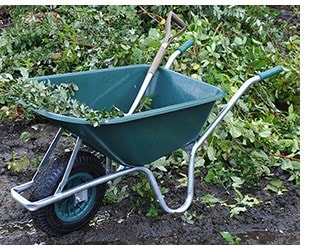 Meat, fish, thick or thorny prunings, sawdust, glossy magazine paper, plastic-coated cardboard, conifer and other evergreen material, roots of perennial weeds, flowering weeds and dog or cat faeces are all best disposed of elsewhere.
- Why can’t I compost these? Processed food products can attract vermin, weed roots and seeds may spread around the garden, sawdust may contain toxins, and some cardboard as well as woody or evergreen material takes too long to rot down.
- What do I need to do after I have filled my bin? Dampen down the ingredients (avoid making it too soggy) and mix them all together. Once a month or so, you will need to 'turn' the compost using a garden fork or compost stirrer. This alleviates compaction and allows air into the compost, both of which will help speed up the process. If the compost looks dry, give it a little more water, but again not too much as you don't want it to become waterlogged.
- How long does it take? Compost started in the autumn can be ready for spring planting, but most people leave their compost heap for a year. In ideal conditions during the summer, the compost bin you filled at the beginning of May will be ready to use by the end of July. The final compost bin filled during midsummer should be ready to use in the autumn.