


Laurus nobilis
bay laurel (½ standard stem)
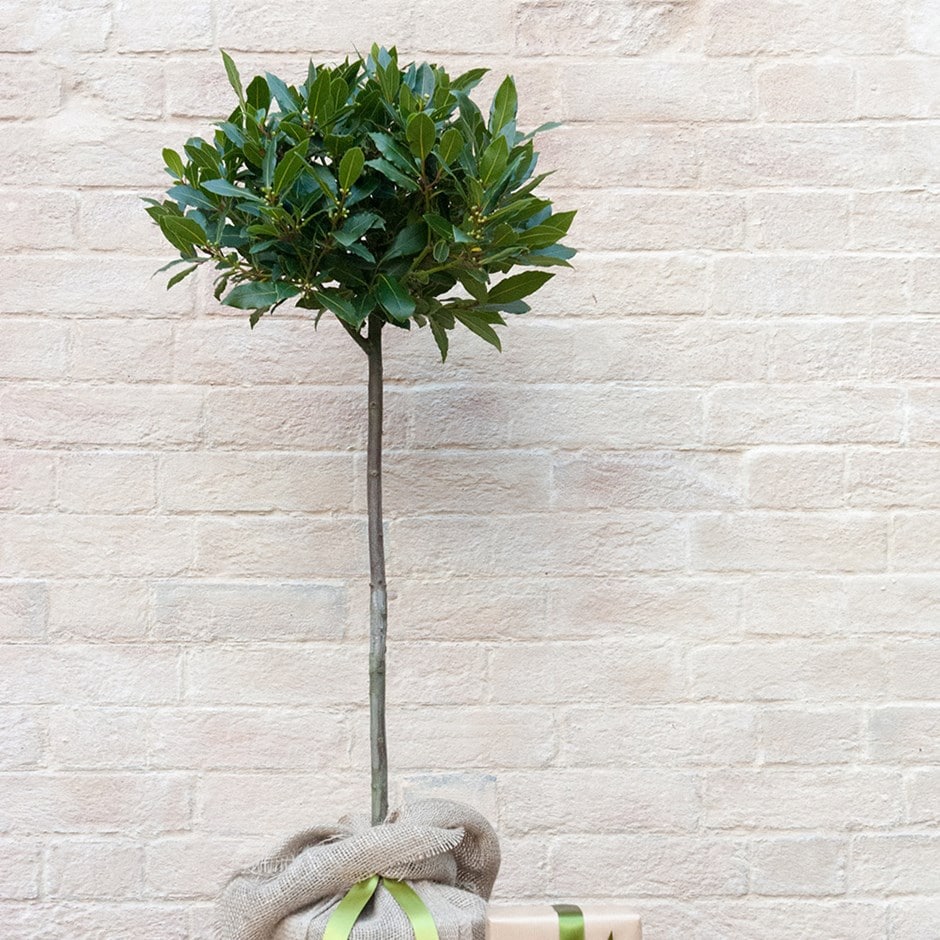
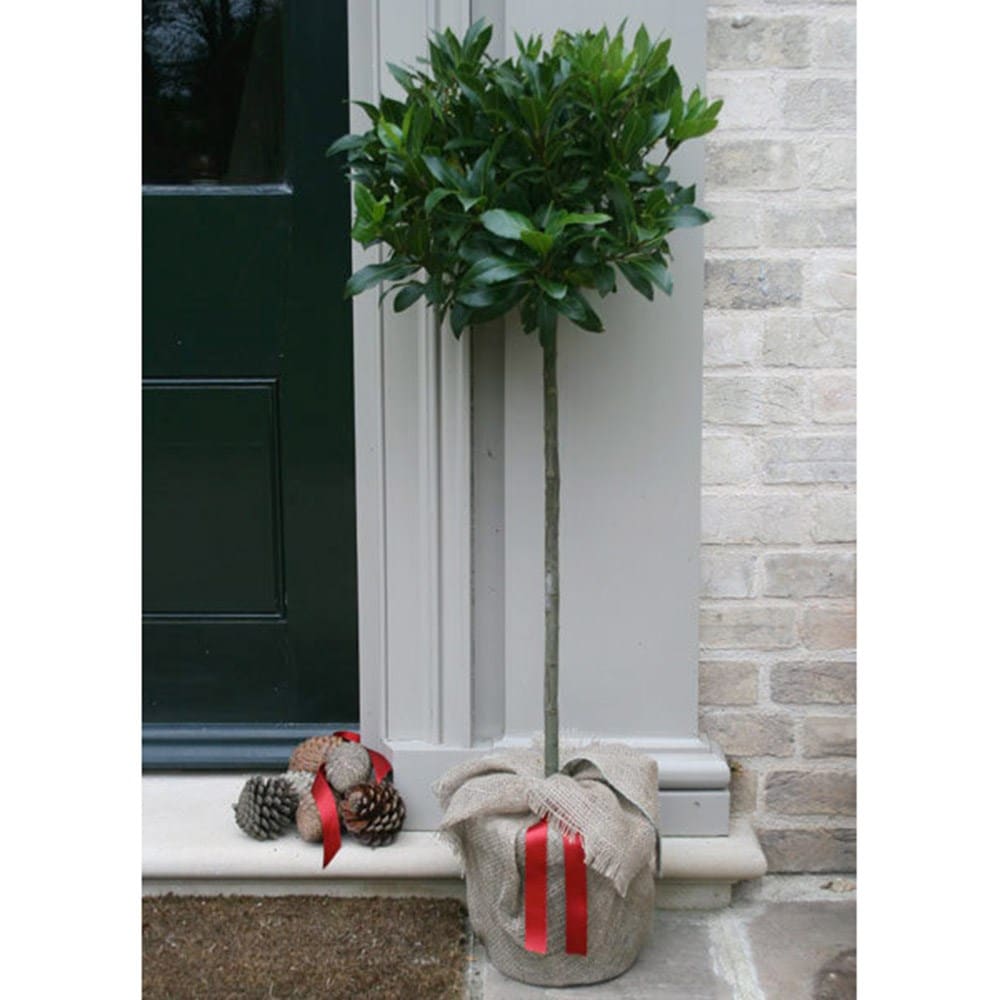
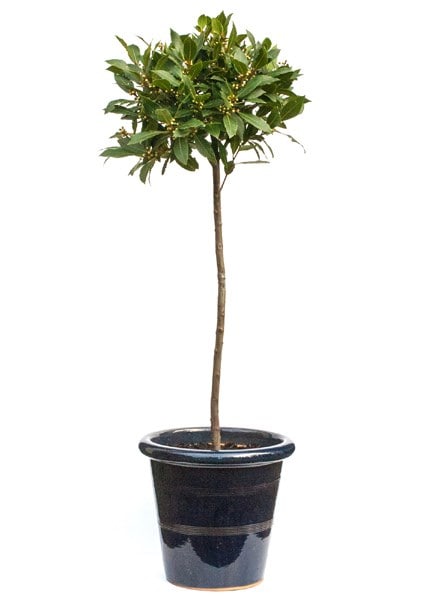
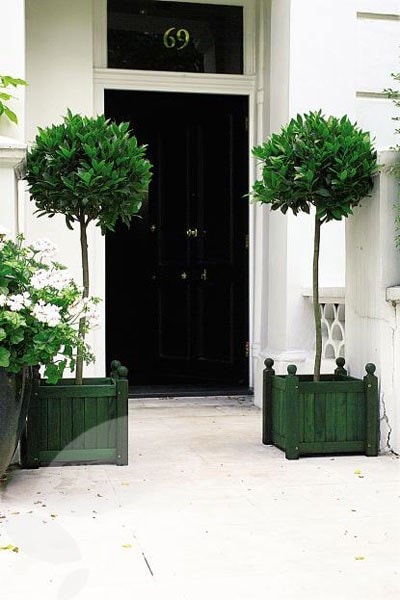
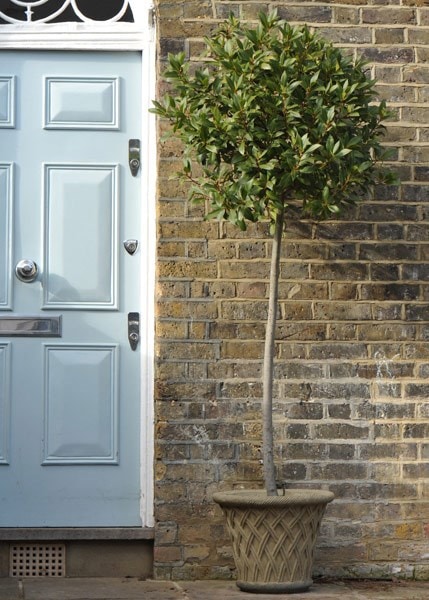
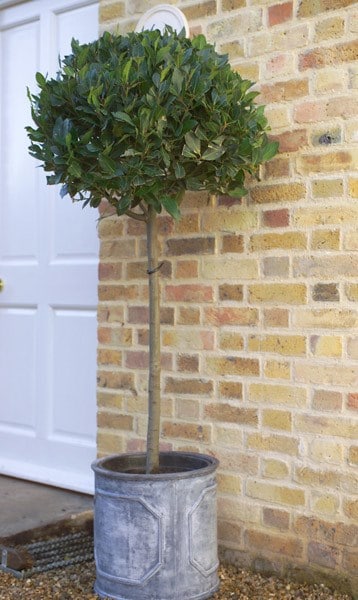
With its lustrous, dark green leaves, this evergreen bay laurel standard makes an elegant centrepiece for a formal...
Highly aromatic sweet bay for culinary use, or for tight topiary - to recreate the Roman villa look in warm courtyards. Or leave it form a natural pyramid and just enjoy the spring flowers -like the bees
Plant description
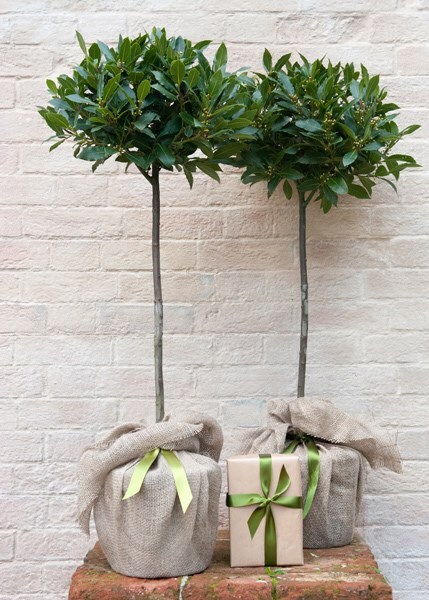
Please note that these are sold individually (not as a pair), and that the timber or terracotta pots in the photographs are not supplied with the plants (which are sent out in simple nursery alternatives) - but we have a wide and wonderful range on our website to choose from. Also, some photos show the plants with optional gift wrap, which can be added during the checkout process.
Eventual height & spread
Plant features
Position
Full sun / light shade
Rate of growth
Average
Soil
Moderately fertile, moist, well-drained soil
Hardiness
Borderline hardy (will need protection in winter in colder areas)
How to care for Laurus nobilis:
Sizes:
Warning
GOES WELL WITH

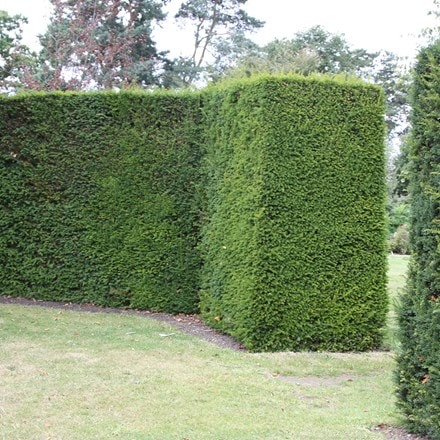
Formal
A popular style during the Renaissance period, formal gardens were considered to represent mans domination and control over nature. They had a geometric layout with lots of straight lines and were often symmetrical. These days they tend to be a little les
Read full articleGet more flowers
Deadheading will prevent them setting seed and so use their energy producing a further flush of blooms later on. Plants that respond well to deadheading include annuals such as Ageratum, Alyssum, Antirrhinum, Calendula, Centaurea, Cosmos, Dahlia, foxglove
Read full articleThe Chelsea Chop (and other methods of extending the flowering season)
Many gardeners who are happy, even gung-ho, with the secateurs when pruning shrubs and climbers are surprisingly reluctant to take the shears to herbaceous perennials. Maybe this is because it just doesn't seem quite right to be cutting back all that new
Read full article