


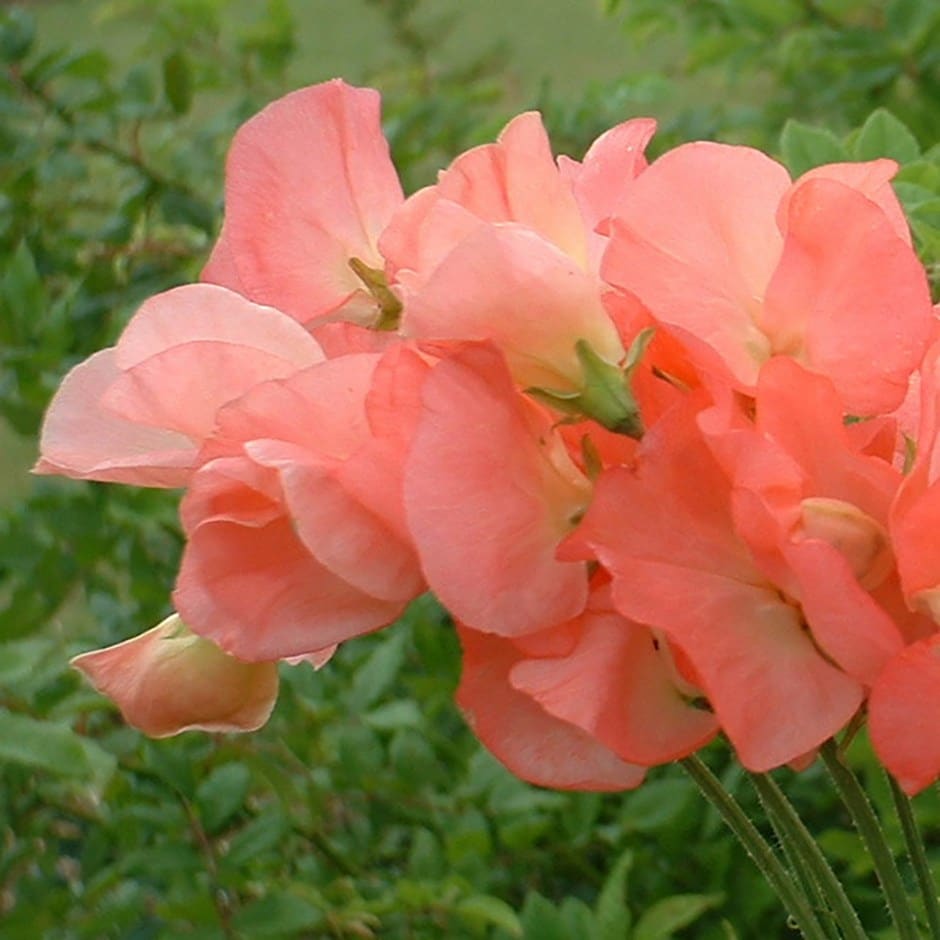
Lathyrus odoratus 'Princess Elizabeth'
spencer sweet pea seed Princess Elizabeth
Large, frilly flowers with salmon-pink petals, which fade to cream at their base, form small clusters on the slender stems throughout the...
approx 20 seeds
£2.99
sold out
1
Plant description
Large, frilly flowers with salmon-pink petals, which fade to cream at their base, form small clusters on the slender stems throughout the summer. First established in 1950, this is a long-standing favourite and is a great garden performer. Plant it near an entranceway so you can take full advantage of its scent.
Eventual height & spread
Flowering period
- Jan
- Feb
- Mar
- Apr
- May
- Jun
- Jul
- Aug
- Sep
- Oct
- Nov
- Dec
Plant features
Position
Full sun
Soil
Moderately fertile, moist, well-drained soil
Hardiness
Frost tender
How to care for Lathyrus odoratus Princess Elizabeth:
From October to late February, sow seeds into deep pots or root trainers filled with a good-quality seed compost and place them in a cold frame. Pinch out the tips as the plants grow to encourage them to become bushier and produce more flowers, and harden off before planting out in early April. Direct sowings can also be made in October or March-April. It is important to remove the faded flowers before they set seed, so picking them to fill a vase inside will only encourage more to form.
Warning
Humans/Pets: Pods and seeds are not edible
GOES WELL WITH

How to get more flowers
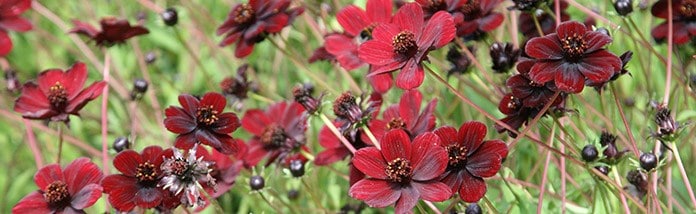
Many flowering plants can be encouraged to produce better and longer-lasting displays with the minimum of effort. A plant produces flowers in order to reproduce and ensure the survival of the species. Once a plant has flowered and fertilisation has taken
Read full articleGet more flowers
Deadheading will prevent them setting seed and so use their energy producing a further flush of blooms later on. Plants that respond well to deadheading include annuals such as Ageratum, Alyssum, Antirrhinum, Calendula, Centaurea, Cosmos, Dahlia, foxglove
Read full article