


25% off
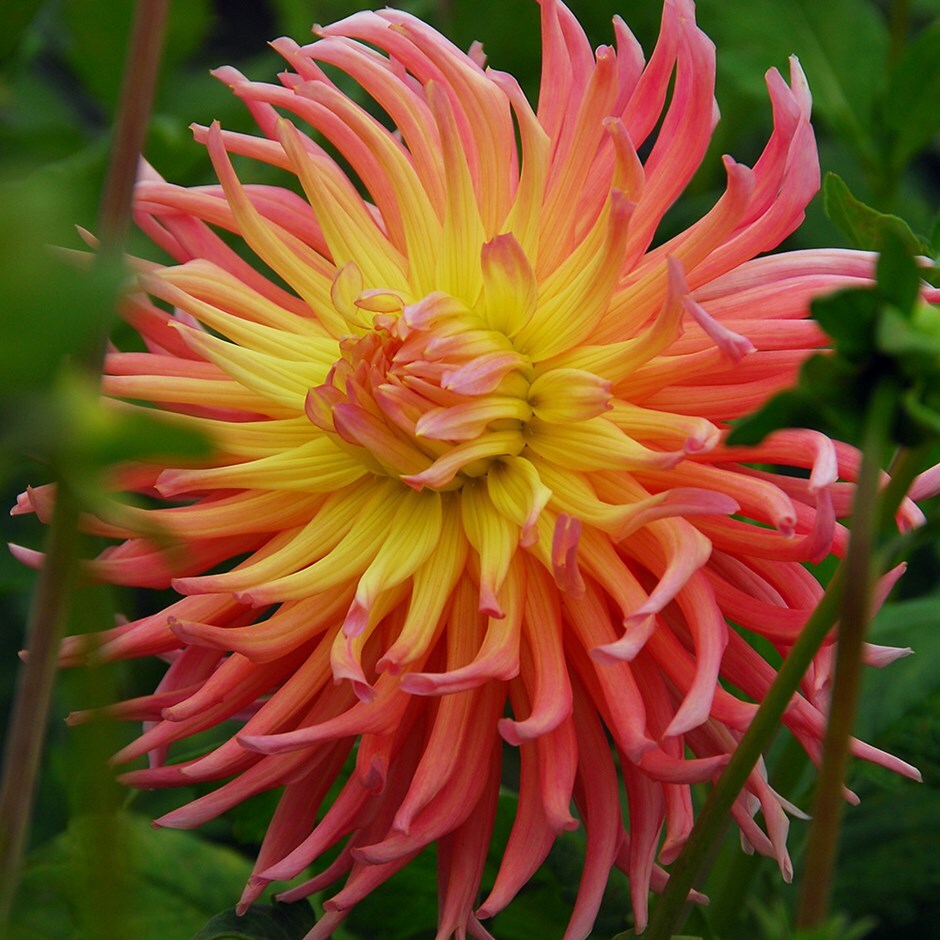
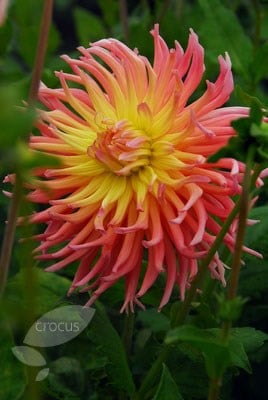
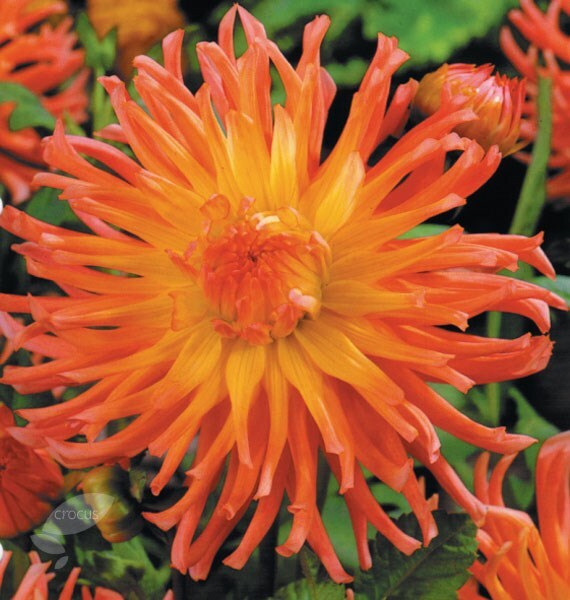
Dahlia 'Alfred Grille'
semi-cactus dahlia
Big, long-lasting, semi-cactus flowers top the upright stems for many months from midsummer, creating a dazzling display well...
Plant description
Eventual height & spread
Flowering period
- Jan
- Feb
- Mar
- Apr
- May
- Jun
- Jul
- Aug
- Sep
- Oct
- Nov
- Dec
Plant features
Position
Full sun
Rate of growth
Fast-growing
Soil
Moderately fertile, moist, well-drained soil
Hardiness
Borderline hardy (will need protection in winter in colder areas)
How to care for Dahlia Alfred Grille:
Please note:
Warning
GOES WELL WITH
Cottage garden
The traditional cottage garden was an intensive, yet carefree mixture of fruit, vegetables, herbs and flowers all crowded into a tiny space. Today, this informal charm can be recreated using modern varieties that largely take care of themselves around an
Read full articleGet more flowers
Deadheading will prevent them setting seed and so use their energy producing a further flush of blooms later on. Plants that respond well to deadheading include annuals such as Ageratum, Alyssum, Antirrhinum, Calendula, Centaurea, Cosmos, Dahlia, foxglove
Read full articleHow to overwinter tender perennials
Tender perennials, such as pelargoniums, fuchsias, osteospermums and marguerites look great all summer, but unless they are given protection from the harsh winter weather, they will need to be replaced each spring. If you can do this, they will last for y
Read full articleFlowers for the cutting garden
At some stage in June, your garden will be a glorious affair full of scent and soft flower. Placing a posy from the garden, close to a family hub like the kitchen table, unites your home and garden as effectively as having a huge picture window. You don’t
Read full articleSimple but stylish protection
If rabbits, deer, squirrels or cats devour or scratch up your plants these wire mesh protectors will give them time to get established. The pyramid-shaped 'Rabbit Proof Cloche' and dome-shaped 'Squirrel Proof Cloche'
Read full articleThe versatile Dahlia
Come March even the most reluctant fair weather gardener is sure to be lured outside by spring sunshine and brighter light. There's plenty to do in the borders, especially after this winter's deluge, and every dry day is a chance to tidy, weed, dig or s
Read full articleOverwintering dahlias, cannas and begonias
You can never quite predict how severe our winter weather will be, but you don't need a crystal ball to know that some plants will need protection or lifting and storing to survive a winter.
Read full article