


Berberis darwinii
Darwin's barberry
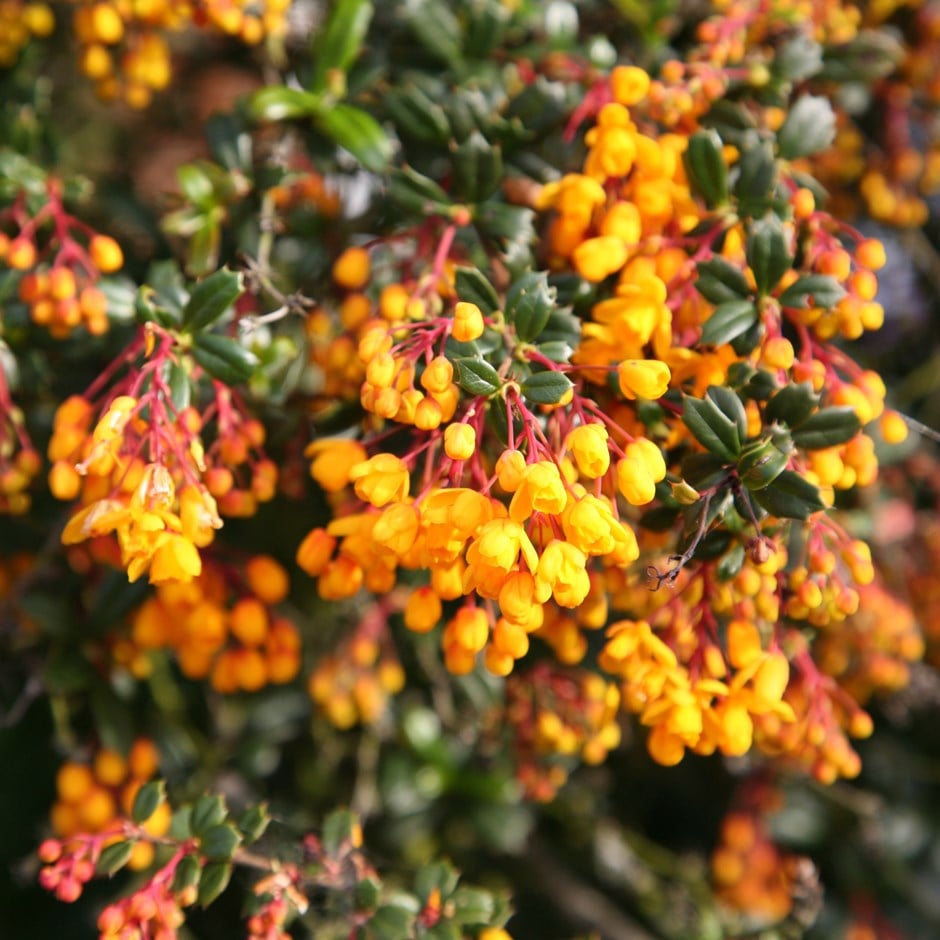
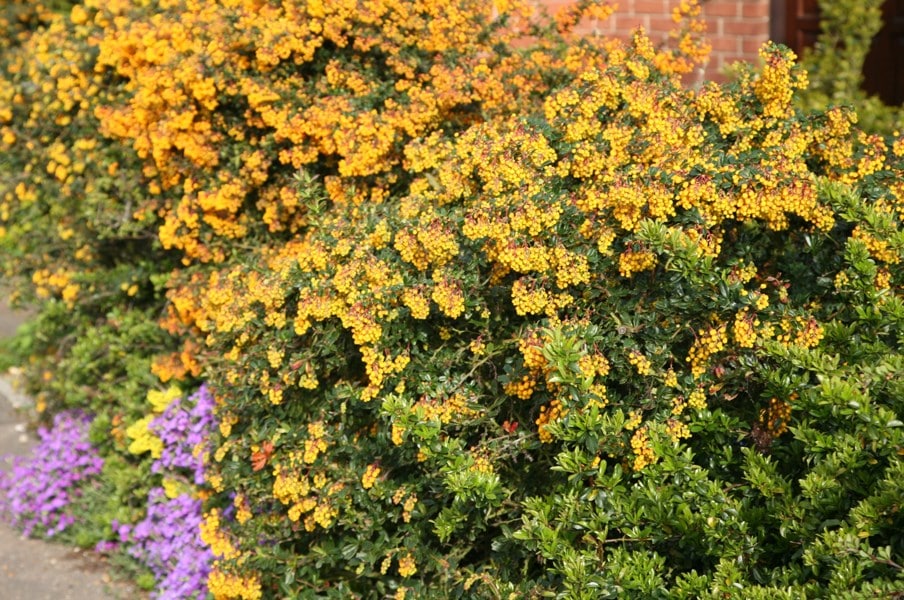
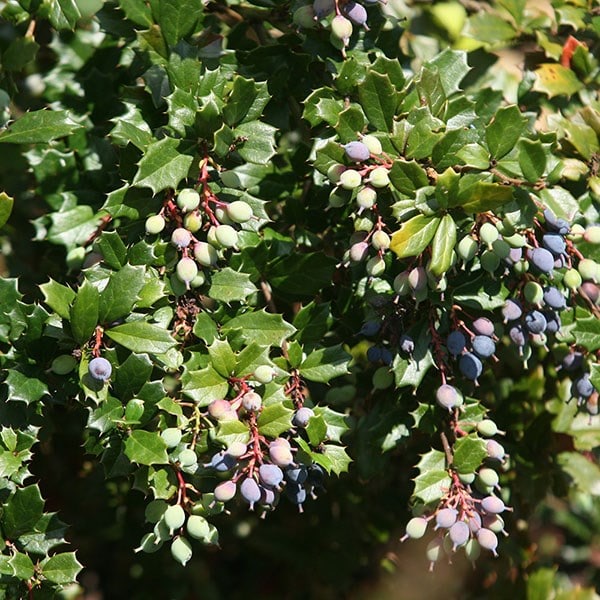
Clusters of small, nodding, orange-yellow flowers appear in mid- and late spring, followed by bluish-purple autumn berries. This upright, evergreen shrub...
Early bright-orange clusters of flower, with blood-orange markings, set against dark-green tiny leaves on a burglar-proof medium-sized bush
Plant description
To find out more about how to plant a hedge, click here
Eventual height & spread
Flowering period
- Jan
- Feb
- Mar
- Apr
- May
- Jun
- Jul
- Aug
- Sep
- Oct
- Nov
- Dec
Plant features
Position
Full sun / light shade
Rate of growth
Average
Soil
Moderately fertile, moist, well-drained soil
Hardiness
Fully hardy
How to care for Berberis darwinii:
Warning
GOES WELL WITH
How to create a wildlife-friendly garden
Wildlife-friendly gardens are not only more interesting as you can watch all the comings and goings, but they are often more productive as many creatures will help increase pollination. Garden ponds act as a magnet to dragonflies and damsel flies, along w
Read full articleJune pruning of trees, shrubs and climbers
June is a time to relax and enjoy your garden, but there are still some early flowering shrubs that will need pruning if they are to produce the best possible displays year after year. A few shrubs can also be trained into unusual and attractive standards
Read full articleDeer
Deer eat a wide range of plants and usually visit the garden between dusk and dawn. Sometimes the deer have a particular taste for flowers and will eat tulip blooms, but usually it is whole shoots that are lost. Tree trunks and branches may also be damage
Read full articlePlanting a hedge
Hedges by their very nature are often planted in exposed positions, so the secret of successful establishment is to make sure that they are well protected from prevailing winds for the first few years. Carefully planting and covering the surface of the so
Read full article