




creeping thyme 'Silver Posie'
thyme or Thymus 'Silver Posie'
Bright purple to white flowers in late spring and early summer and wonderful, white-margined, aromatic, grey-green leaves. This bushy, creeping thyme...
The daintiest thyme of all - with tiny silver and white leaves on wiry stalks and pale-pink flowers - too good for the herb garden alone
Plant description
Eventual height & spread
Flowering period
- Jan
- Feb
- Mar
- Apr
- May
- Jun
- Jul
- Aug
- Sep
- Oct
- Nov
- Dec
Plant features
Position
Full sun
Rate of growth
Average
Soil
Moderately fertile, moist, well-drained soil
Hardiness
Fully hardy
How to care for Thymus Silver Posie:
Water regularly until the plants are established, but once settled, they become more drought-tolerant and require less irrigation. Trim back lightly after flowering to maintain a neat appearance and to encourage dense growth. If the plant becomes woody, prune more severely in early spring to rejuvenate the plant.
Ensure good air circulation around the plants to prevent fungal issues, and avoid overwatering, especially in winter.
GOES WELL WITH


How to encourage beneficial insects
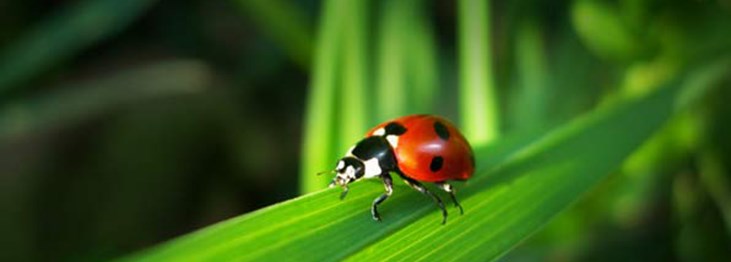
All garden pests have natural enemies. The trick is to encourage these beneficial insects and other creatures to take up residence in your garden so that they can do the pest management for you. The most effective way to do this is to provide the conditio
Read full articleHow to use companion plants
Companion planting is a method of growing different plants adjacent to one another for the benefit of one or both of the companions. Some plants are thought to confuse or act as a decoy to potential pests, while a few provide food for the pest's natural
Read full articleAugust pruning of trees, shrubs and climbers
Late summer is the best time to prune many midsummer-flowering shrubs to keep them vigorous and flowering well. It is also the ideal time to prune several trees that are prone to bleeding if pruned at other times, and it’s not too late to complete the pru
Read full articleBee-pleasers
Bees are never far away from aromatic plants because they often produce blue flowers, the favoured flower colour of bees. The nectar is super-strength too, containing masses of sugar to lure in the bee and butterfly. Thymus ‘Silver Posie’ is a marvell
Read full article