


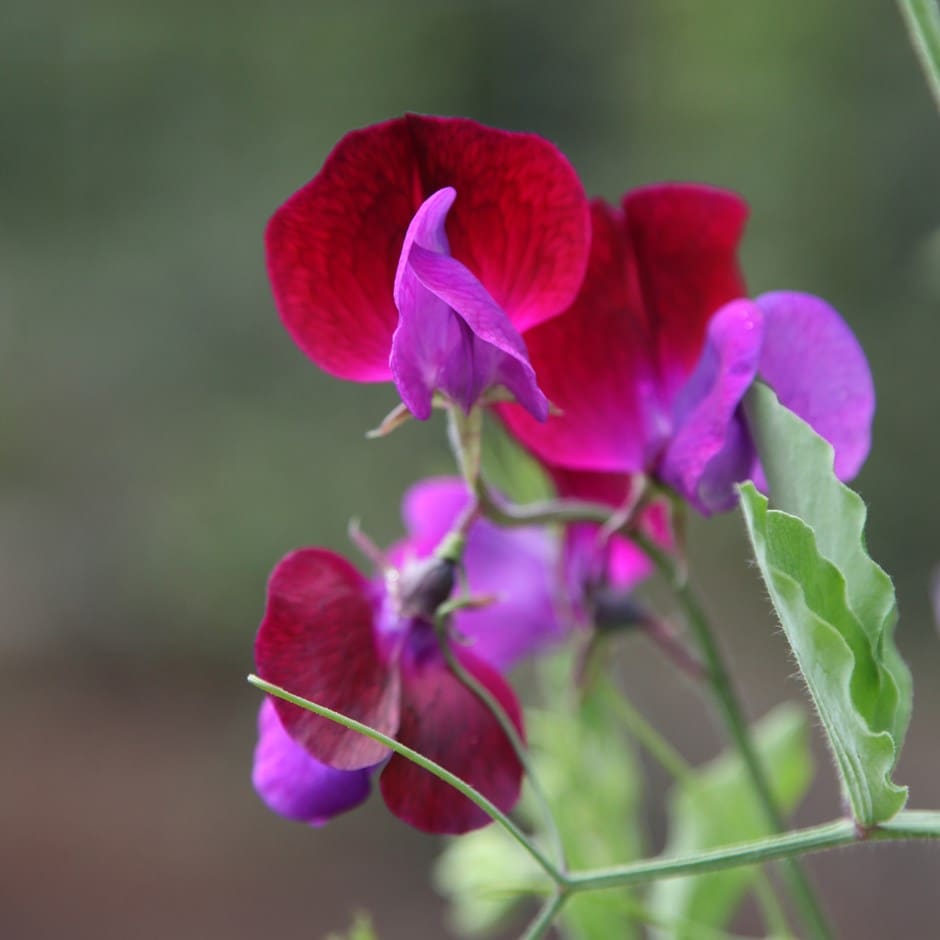
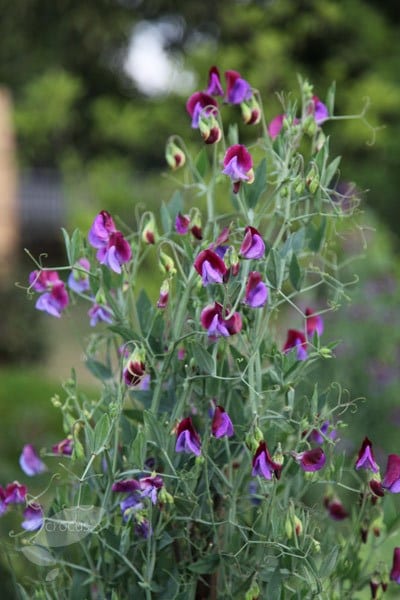
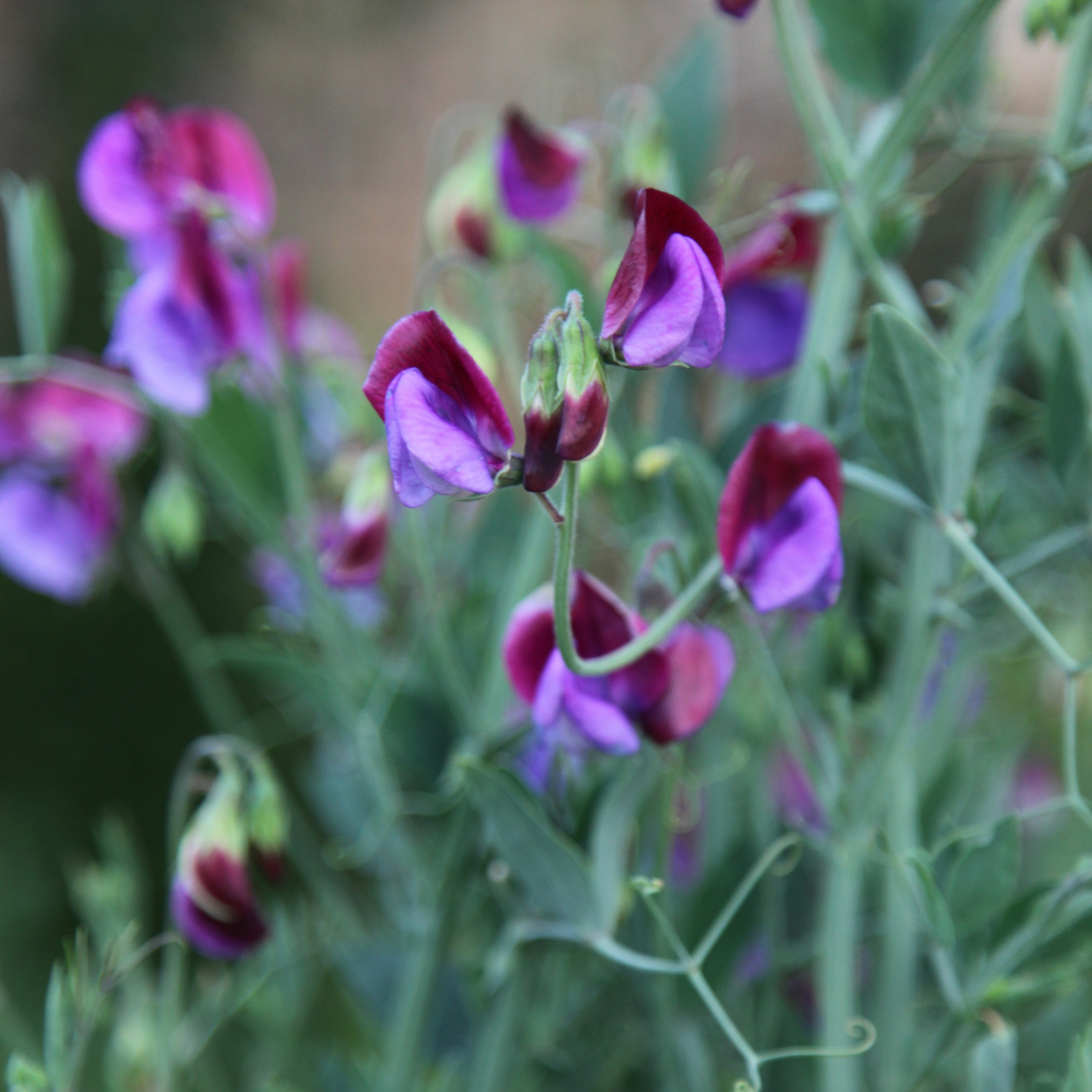
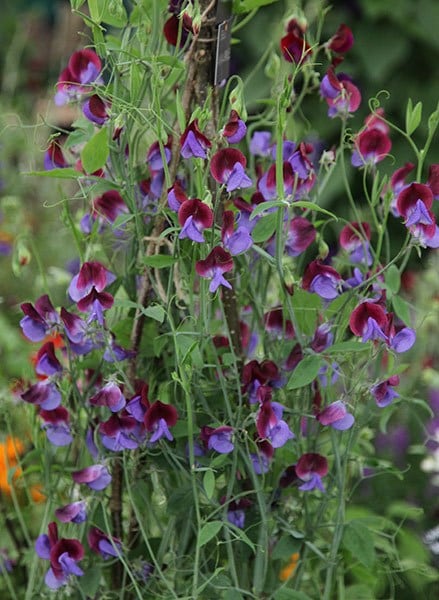
Lathyrus odoratus 'Matucana'
sweet pea seed Matucana
Masses of highly fragrant, bi-coloured blooms appear from July to September adding colour and sweet perfume to the garden. This...
Plant description
9cm pots are supplied with 5 to 7 seedlings.
Eventual height & spread
Flowering period
- Jan
- Feb
- Mar
- Apr
- May
- Jun
- Jul
- Aug
- Sep
- Oct
- Nov
- Dec
Plant features
Position
Full sun
Rate of growth
Fast-growing
Soil
Moderately fertile, moist, well-drained soil
How to care for Lathyrus odoratus Matucana:
Sowing instructions:
Warning
GOES WELL WITH
How to get more flowers
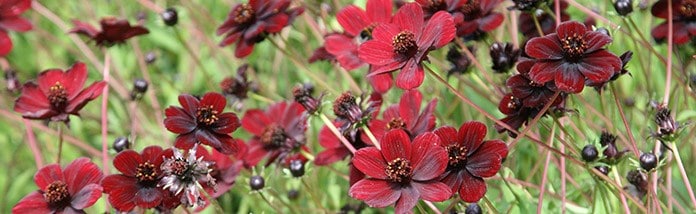
Many flowering plants can be encouraged to produce better and longer-lasting displays with the minimum of effort. A plant produces flowers in order to reproduce and ensure the survival of the species. Once a plant has flowered and fertilisation has taken
Read full articleGet more flowers
Deadheading will prevent them setting seed and so use their energy producing a further flush of blooms later on. Plants that respond well to deadheading include annuals such as Ageratum, Alyssum, Antirrhinum, Calendula, Centaurea, Cosmos, Dahlia, foxglove
Read full articleSweet Peas for the Cutting Garden
By mid summer the garden will be a glorious affair full of scent and soft flower. Placing a posy from the garden, close to a family hub like the kitchen table, unites your home and garden as effectively as having a huge picture window. You don’t have to b
Read full articleIn need of support.....
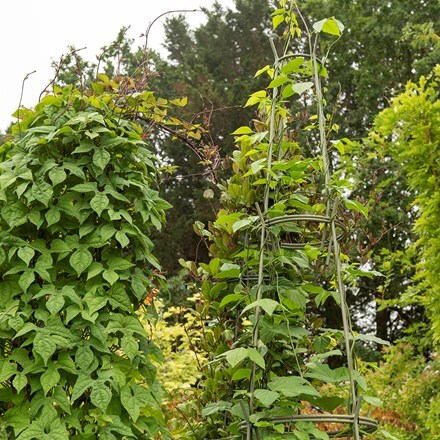
The longer I go on growing my own veg, the more support I need.It was all so simple when I started. All I needed was a few little wigwams. You know the kind of thing; stick five bamboo canes in the ground in a rough circle, tie the tops together and you
Read full articleSowing sweet pea from seed
The easiest seeds to grow are the annuals because they are programmed to germinate, flower and set seed within one year - therefore they pop up easily because there’s no time to waste. Sweet peas must be one of our favourites. They can be sown from Octobe
Read full article