


Geranium 'Brookside'
cranesbill
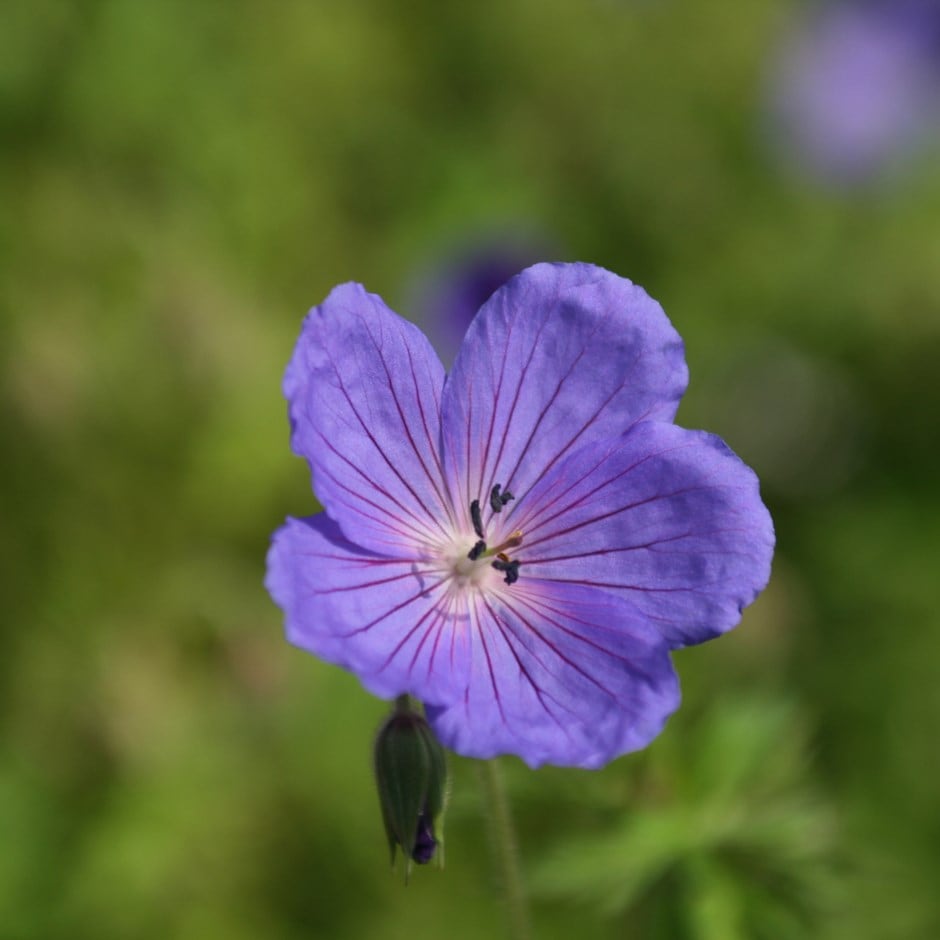
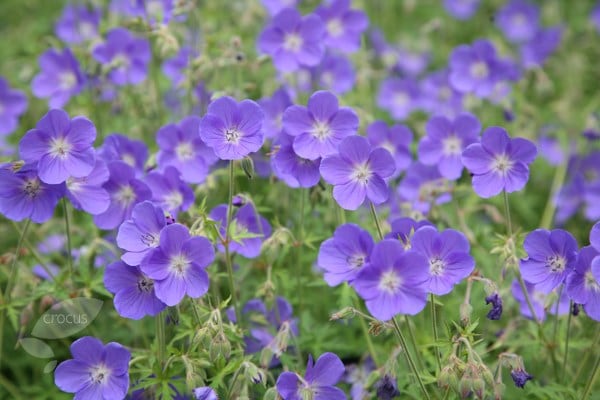
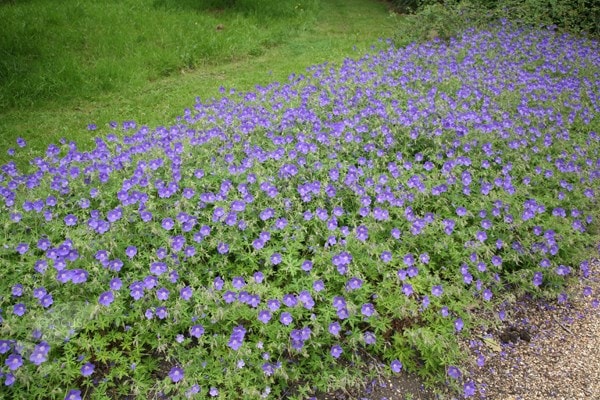
Large deep blue, saucer-shaped flowers with distinctive white centres from June to September among deeply divided mid-green leaves....
A white-eyed mid-blue meadow cranesbill with a longer flowering season and flowers borne on longer, laxer stems
Plant description
Eventual height & spread
Flowering period
- Jan
- Feb
- Mar
- Apr
- May
- Jun
- Jul
- Aug
- Sep
- Oct
- Nov
- Dec
Plant features
Position
Full sun / light shade
Rate of growth
Average
Soil
Moderately fertile, moist, well-drained soil
Hardiness
Fully hardy
How to care for Geranium Brookside:
Please note:
GOES WELL WITH
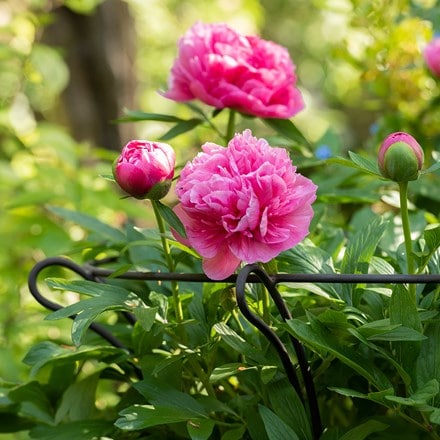
How to get more flowers
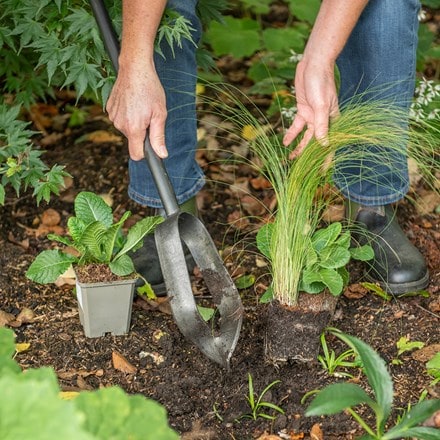
Many flowering plants can be encouraged to produce better and longer-lasting displays with the minimum of effort. A plant produces flowers in order to reproduce and ensure the survival of the species. Once a plant has flowered and fertilisation has taken
Read full articleMediterranean
Mediterranean gardens can take on various guises from the rustic and rambling to the formal elegance of an Italian courtyard. However, they all have key features in common, including the use of exotic, sometimes tender, drought-tolerant plants in pots and
Read full articleGet more flowers
Deadheading will prevent them setting seed and so use their energy producing a further flush of blooms later on. Plants that respond well to deadheading include annuals such as Ageratum, Alyssum, Antirrhinum, Calendula, Centaurea, Cosmos, Dahlia, foxglove
Read full articleThe Chelsea Chop (and other methods of extending the flowering season)
Many gardeners who are happy, even gung-ho, with the secateurs when pruning shrubs and climbers are surprisingly reluctant to take the shears to herbaceous perennials. Maybe this is because it just doesn't seem quite right to be cutting back all that new
Read full articlePlanting companions for roses
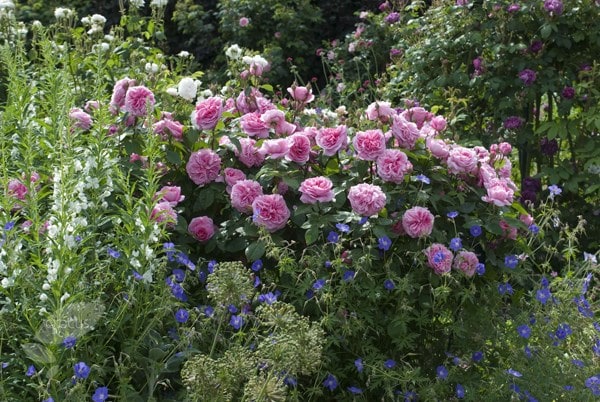
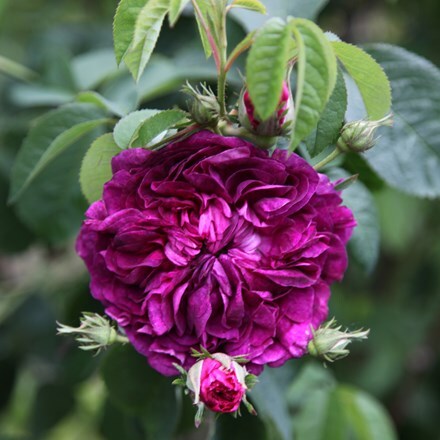
Early flowering roses tend to come in shades of white, pink or purple-pink and most forms of the biennial foxglove, Digitalis purpurea, have toning flowers in similar colours. These appear in rose time, but carry on after the first rose flush has finished
Read full articleNon stop geranium flower power!
One of the major players in our gardens is the hardy geranium with its gaping, saucer-shaped flowers heavily veined in order to guide the thirsty bee to the vital nectar and pollen. There are varieties galore and it’s quite possible to have hardy geraniu
Read full article