


Clematis 'Madame Julia Correvon'
clematis (group 3) (syn. Clematis viticella Madame Julia Correvon)
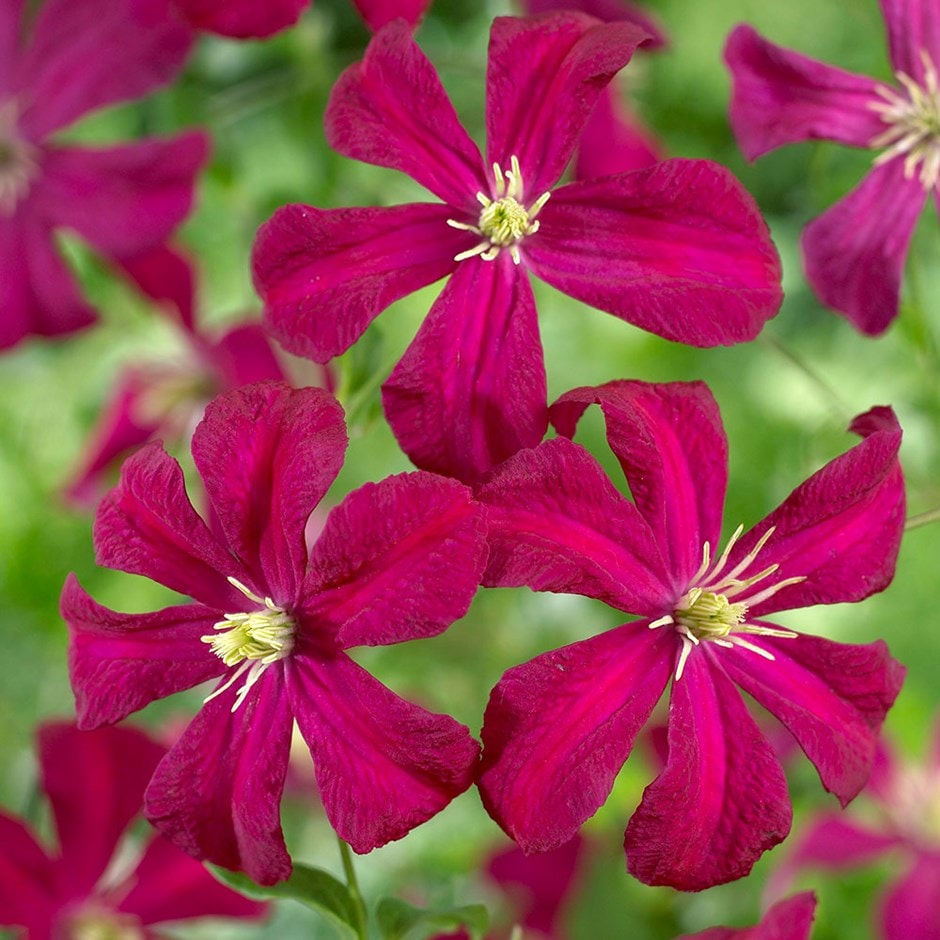
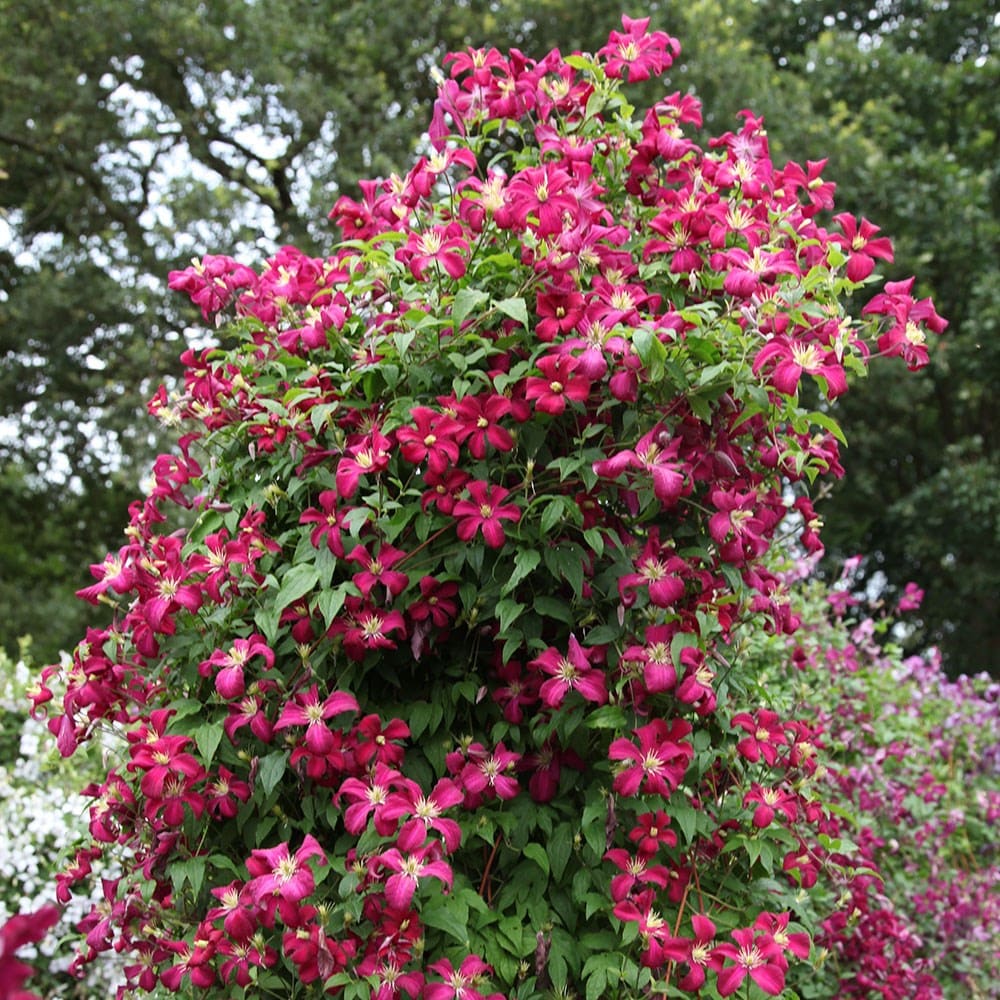
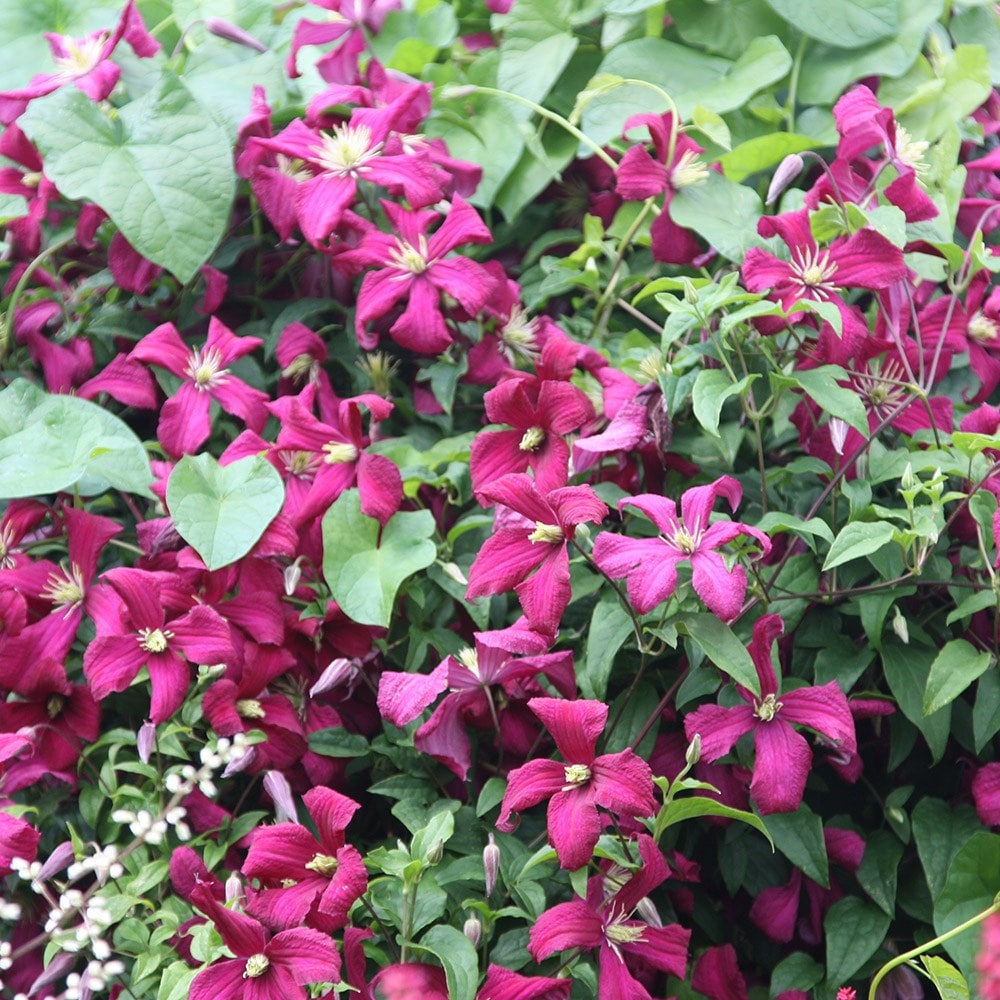
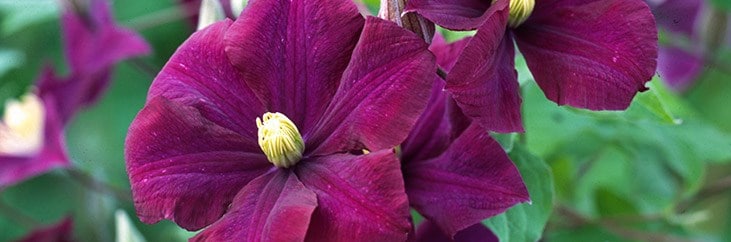
From mid-summer to late autumn, wine red star-shaped flowers, with yellow anthers, cover the plant. It is a more compact variety which...
Spring is an excellent time to plant a viticella clematis, such as ‘Madame Julia Correvon’. It will have a chance to put its feet down and flower by late July. Climbers take up little ground room and viticellas, bred from a Spanish species, are drought tolerant and easy to prune. Just cut them back hard now. They flower on new wood. 'Purpurea Plena Elegans’, 'Polish Spirit’, ‘Romantika’, and 'Dark Eyes’ are all excellent viticellas
Plant description
Eventual height & spread
Flowering period
- Jan
- Feb
- Mar
- Apr
- May
- Jun
- Jul
- Aug
- Sep
- Oct
- Nov
- Dec
Plant features
Position
Full sun / light shade
Rate of growth
Fast-growing
Soil
Moderately fertile, moist, well-drained soil
Hardiness
Fully hardy
How to care for Clematis Madame Julia Correvon:
Please note:
Warning
GOES WELL WITH
Large Flowered Clematis
It is difficult not to get excited about this fabulous group of plants. Their big, bold, brightly coloured flowers, coupled with their versatile growth habits, make this one of the most popular plant groups of all time. There is no secret to their success
Read full articleHow to get more flowers
Many flowering plants can be encouraged to produce better and longer-lasting displays with the minimum of effort. A plant produces flowers in order to reproduce and ensure the survival of the species. Once a plant has flowered and fertilisation has taken
Read full articleClematis Wilt
Clematis Wilt is usually characterized by a complete collapse of either the entire plant, just one of the shoots, or just part of a shoot. The foliage will turn black and the veins take on a purple colour. Large-flowered cultivars are particularly suscept
Read full articleHoney fungus
There are different symptoms which point to honey fungus, some or all of them may be present at one time. Also, death can take years or be virtually instantaneous with plants being suddenly stopped in their tracks, half-opened leaves just frozen in time.
Read full articleMarch pruning of trees, shrubs and climbers
The following notes can be used as a guide when pruning trees, shrubs and climbers in your garden during the month of March. It's timely advice if you have any of the following in your garden. Abeliophyllum, Artemesia, Brachyglottis, Brunfelsia, Buddleja
Read full articleFebruary pruning of trees, shrubs and climbers
The garden is at its most dormant right now, so it’s a good time to catch up on any pruning missed or forgotten since the autumn. If the weather isn’t favourable, you can leave it for a week or two, but make sure all winter pruning is completed before the
Read full articleEasy viticellas for late-summer
Later flowering clematis include the easiest to grow of all, the viticellas. These flower after midsummer and are cut back hard in March to produce strong new shoots. Some viticellas can have asymmetrical flowers blotched in green, but the most popular te
Read full articleEstablish a clematis
September is the best month to plant a Clematis because the soil is still warm enough to encourage root growth.
Read full articleTwiners
Take advantage and do some early spring planting, but only on clement days. You can never have too many climbers and twiners, and now is the ideal time to get them in. They take up little ground space, so they’re perfect for smaller plots, and then they g
Read full articleClematis - colour from spring to autumn
If you want to clothe your fences with flowers from spring to autumn but are overwhelmed by choice, then this article should help.
Read full articleLong flowering plants for your garden
When choosing plants for your garden you want some ‘core plants’, ones that will that offer weeks of flower, not just a few fleeting days. These stalwarts help balance out those ephemeral poppies, the plants with the tissue-paper petals that drop within a
Read full articleLate summer clematis
August can be a tired old month in the garden, especially in drier summers, so it’s important to have some fresh-looking flowers to lift your spirits and climbers can play a huge role at this time of year. They offer flowers at eye height and they can hel
Read full article