



Anthriscus sylvestris 'Ravenswing'
cow parsley
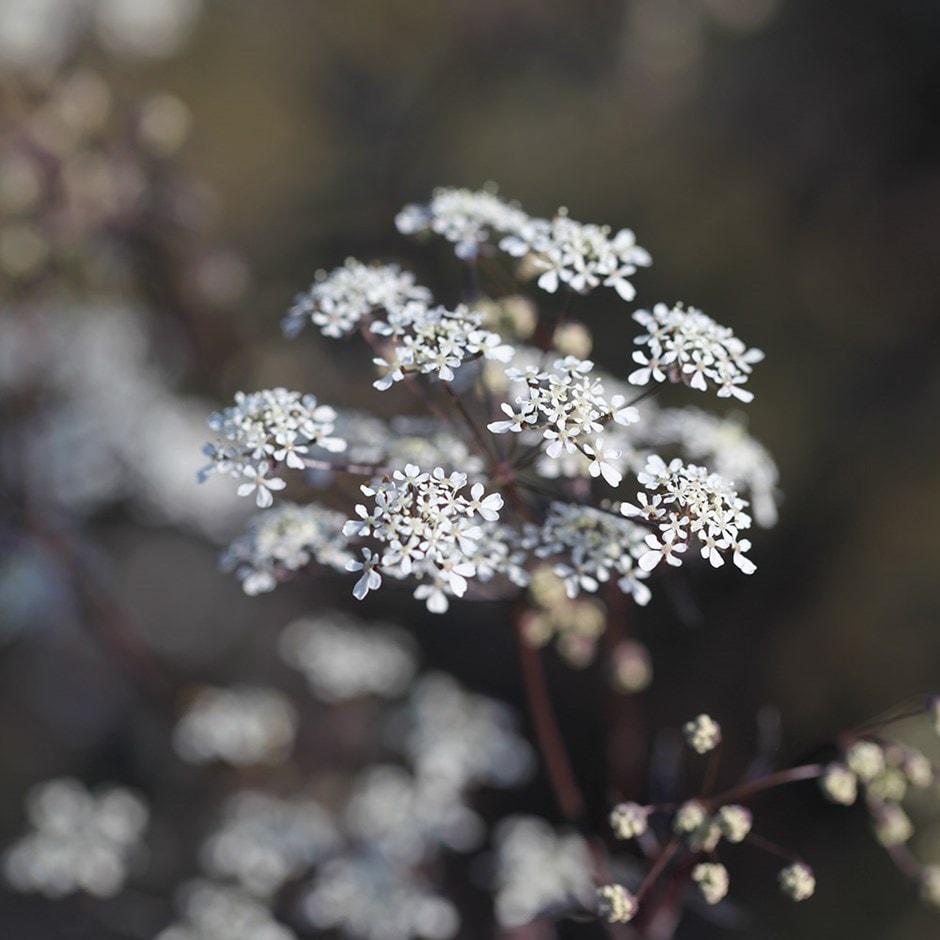
An elegant purple form of common cow parsley, this has pretty clusters of tiny, creamy-white flowers in late spring and early...
9cm pot
£9.99
In stock (shipped within 2-3 working days)
3 × 9cm pots
£22.99
£7.66 each
In stock (shipped within 2-3 working days)
6 × 9cm pots
£39.99
£6.67 each
In stock (shipped within 2-3 working days)
2 litre pot
£19.99
available to order from autumn
3 × 2 litre pots
£44.99
£15.00 each
available to order from autumn
1
Plant description
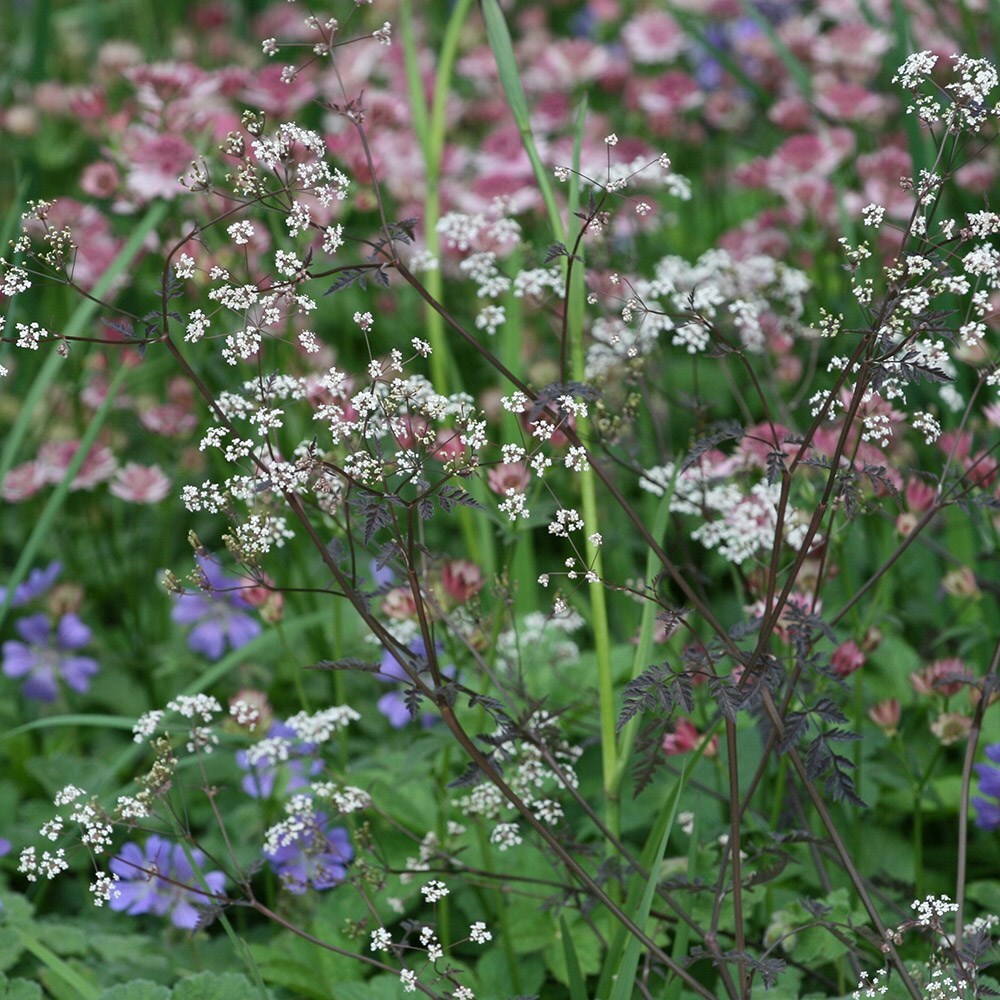
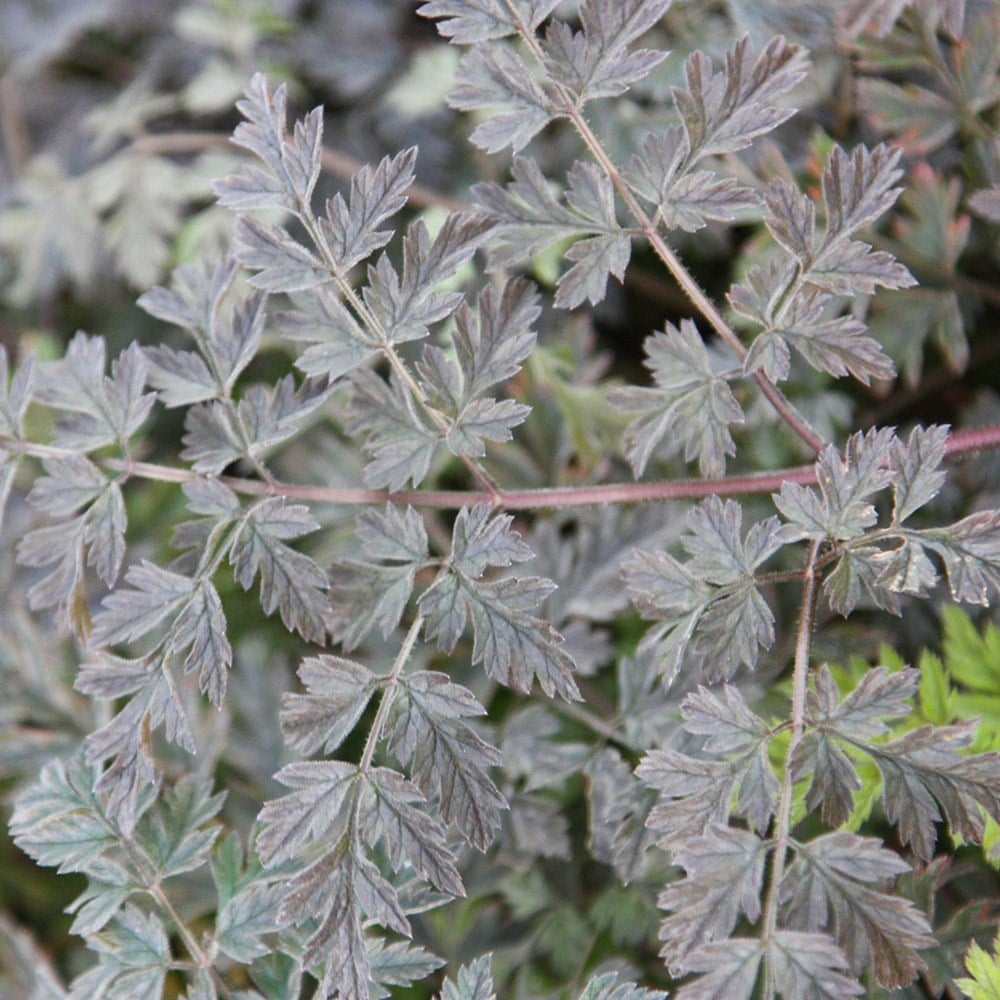
An elegant purple form of common cow parsley, this has pretty clusters of tiny, creamy-white flowers in late spring and early summer, highlighted by the lacy, deeply cut dark purple foliage.
Anthriscus sylvestris 'Ravenswing' is biennial or a short-lived perennial, but it self-seeds freely unless you remove the spent flower heads. This makes it a perfect plant for a wild garden or meadow, and an effective companion to ornamental grasses.
Anthriscus sylvestris 'Ravenswing' is biennial or a short-lived perennial, but it self-seeds freely unless you remove the spent flower heads. This makes it a perfect plant for a wild garden or meadow, and an effective companion to ornamental grasses.
Eventual height & spread
Flowering period
- Jan
- Feb
- Mar
- Apr
- May
- Jun
- Jul
- Aug
- Sep
- Oct
- Nov
- Dec
Plant features
Position
Full sun / light shade
Rate of growth
Fast-growing
Soil
Moderately fertile, moist, well-drained soil
Hardiness
Fully hardy
How to care for Anthriscus sylvestris Ravenswing:
Anthriscus thrives in moist, well-drained soil in sun or partial shade. It self-seeds freely, so remove spent flower heads if you want to limit its spread.
Ensure the soil does not dry out in hot weather, particularly in the first year.
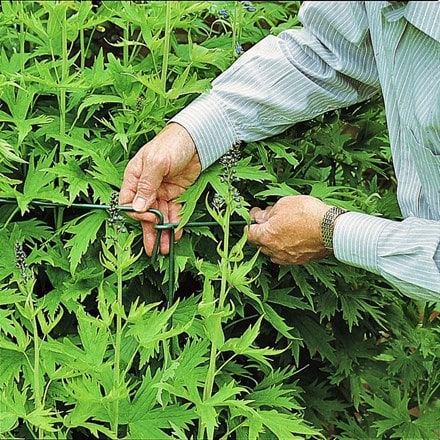
Support with brushwood or link stakes in spring before the flowers appear. In autumn cut it back to just above ground level and apply a generous layer of mulch around the roots.
Ensure the soil does not dry out in hot weather, particularly in the first year.
Support with brushwood or link stakes in spring before the flowers appear. In autumn cut it back to just above ground level and apply a generous layer of mulch around the roots.
Please note:
This perennial dies back to below ground level each year in autumn, then fresh new growth appears again in spring.
Warning
Humans/Pets: Harmful to skin with sunlight
GOES WELL WITH
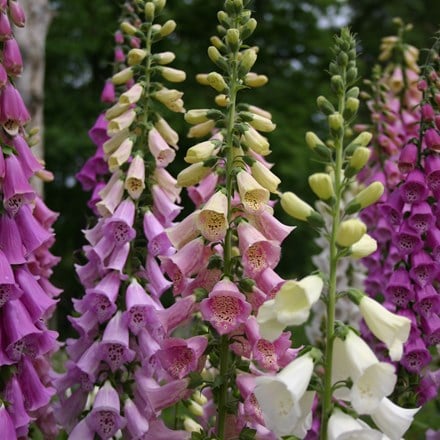
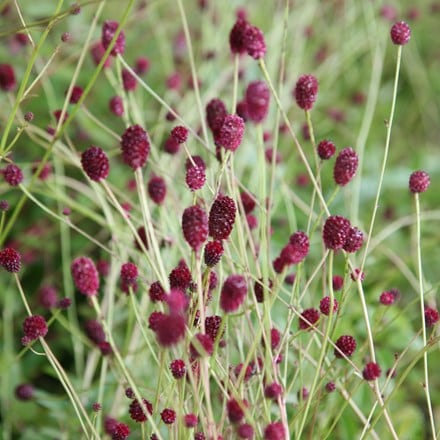
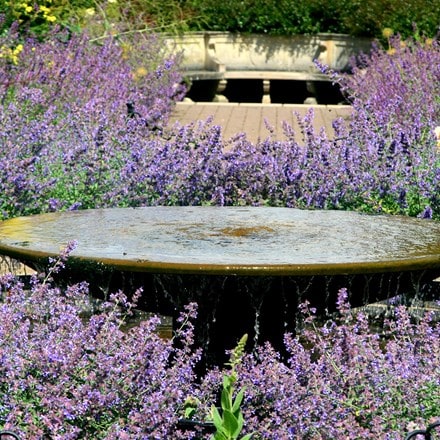
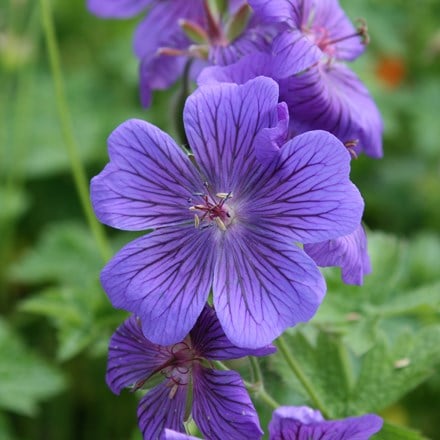
Prairie
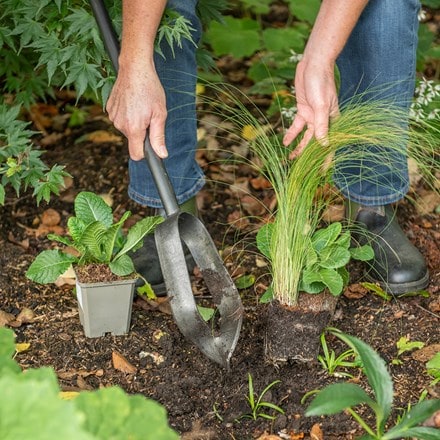
Indulge a passion for ornamental grasses by creating a prairie- or meadow-style garden. They can be richly planted with native wildflowers or a selection of complementary perennials and self-seeding annuals to create a naturalistic planting effect.
Read full article