Introducing Frasstastic bio-mulch: feed the soil, save water and help your plants

David Stanford-Beale

Written by: By David Stanford-Beale

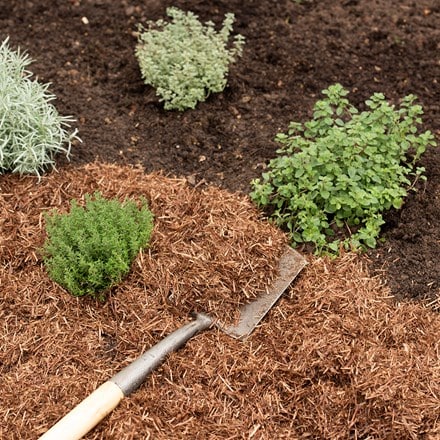
A good mulch is one of the simplest ways to make life easier in the garden. Spread over beds and borders, it helps retain moisture, suppress weeds and protect plant roots from temperature extremes.

But Crocus frasstastic bio-mulch does a little more. It combines UK-farmed, sustainably harvested willow with nutrient-rich composted black soldier fly frass, creating a protective layer that looks after the soil while gradually feeding it too.

Keep moisture where plants need it

On warm, dry days, bare soil can lose moisture quickly, particularly on light or free-draining soils. A layer of mulch creates a natural barrier between the soil and the elements. Rain and watering can still penetrate, but the mulch slows evaporation, helping keep moisture in the root zone for longer.

It also keeps the soil cooler and reduces temperature fluctuations, creating more consistent conditions for plant roots.

There’s another water-saving benefit: fewer weeds mean less competition. Every weed is drawing on the same supply of water, so keeping them in check leaves more moisture for the plants you actually want.

Feed the soil, not just the plant

Unlike artificial membranes, organic mulches gradually break down and become part of the soil. Earthworms, fungi and other soil organisms help incorporate this material, adding organic matter and supporting healthy soil structure.

Crocus frasstastic bio-mulch takes this a step further with black soldier fly frass - a nutrient-rich material produced from sustainably farmed black soldier flies, which are fed on brewers’ spent grains.

Frass contains useful plant nutrients and organic compounds including chitin. Rather than delivering a sudden dose of soluble fertiliser, these nutrients are gradually returned to the soil as the mulch weathers and decomposes.

This makes it particularly useful around established borders, shrubs, roses, fruit, vegetables and newly planted areas where healthy soil is key to healthy plants.

New

Crocus frasstastic bio-mulch

Discover our new mulch

Shop now

What is chitin?

Chitin occurs naturally in soils and is broken down by microorganisms. It forms part of the relationship between plants, microbes and the soil around them.

You don't need to understand microbiology to benefit from it. Think of it as another reason to concentrate on feeding and protecting the soil, rather than simply feeding the plant. Healthy soil supports healthy roots, helping plants become stronger and more resilient.

Willow + frass = a mulch that works harder

The willow does the physical work, settling together to create a natural protective covering that shields the soil from sunshine while still allowing rain to penetrate.

Over around three years, the woody material gradually decomposes, returning carbon-rich organic matter to the soil and supporting the organisms that help turn organic material into fertile ground.

So, while the frass provides natural nutrition, the willow provides the protective blanket – helping keep water in the soil while putting organic matter back in.

Why mulch matters in dry weather

Mulching is particularly valuable during long spells of warm, dry weather. Newly planted trees, shrubs and perennials have relatively small root systems, while vegetables and flowering plants can struggle when moisture levels fluctuate.

Mulch won't remove the need to water, but it can help make every watering count. Instead of repeatedly wetting an exposed soil surface and losing some of that moisture to evaporation, you're helping keep water where plants need it: around their roots.

A deep layer also reduces the light reaching the soil surface, making it harder for many weed seeds to germinate. Fewer weeds mean less competition for water and less need for hoeing and digging, leaving the soil and its organisms relatively undisturbed.

How to use Crocus frasstastic Bio-mulch

For the best results:

  • Remove established weeds first.
  • Water the soil thoroughly if it is dry. Mulch works best when it locks existing moisture into the soil.
  • Spread an even layer of around 7–8cm (3 inches) across the soil surface.
  • Leave a small gap around plant crowns, woody stems and tree trunks rather than piling mulch directly against them.
  • Spring is ideal, while the soil still holds winter moisture, but autumn is equally useful. You can mulch in summer too - just water dry ground thoroughly first.
  • As the mulch settles and breaks down, simply top it up when needed.

A little less work for the gardener

Much of the important work in a garden happens beneath the surface. Roots need water, air and nutrients, while the soil is home to a huge community of organisms that help recycle organic matter.

Frasstastic Mulch simply asks mulch to work a little harder: holding onto moisture, suppressing weeds, returning organic matter and adding natural nutrition as it gradually becomes part of the soil.

Explore our range of compost, bark & mulches