


Hydrangea arborescens 'Annabelle'
sevenbark
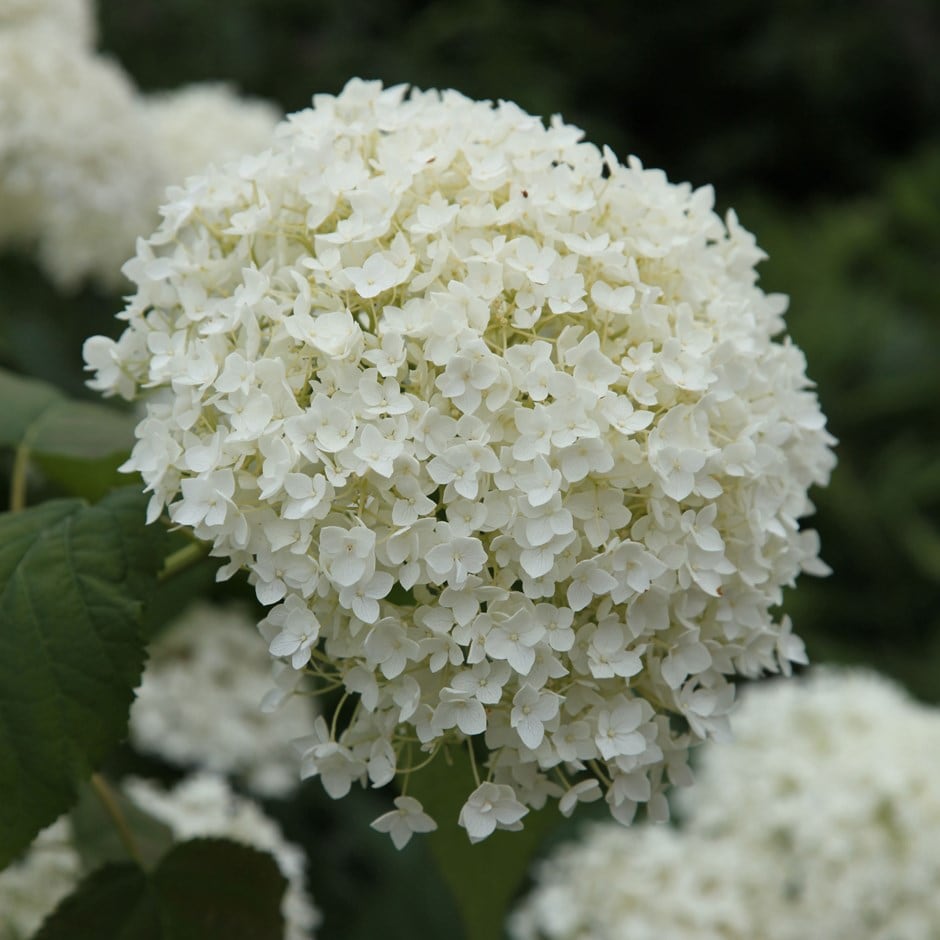
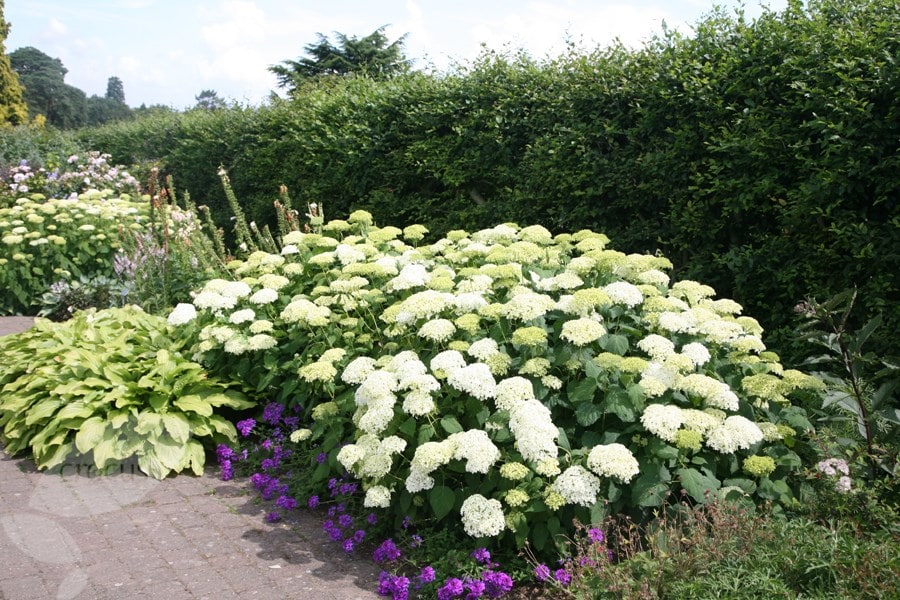
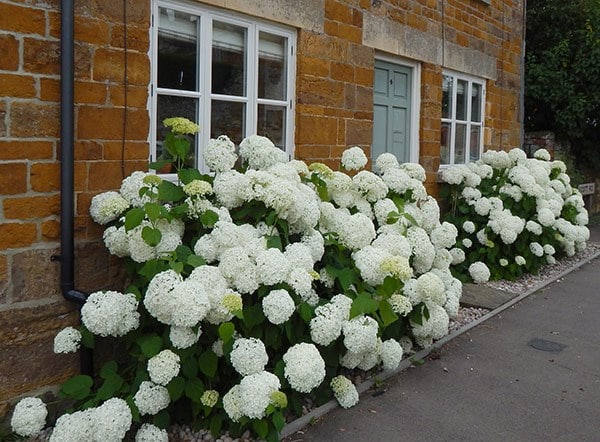
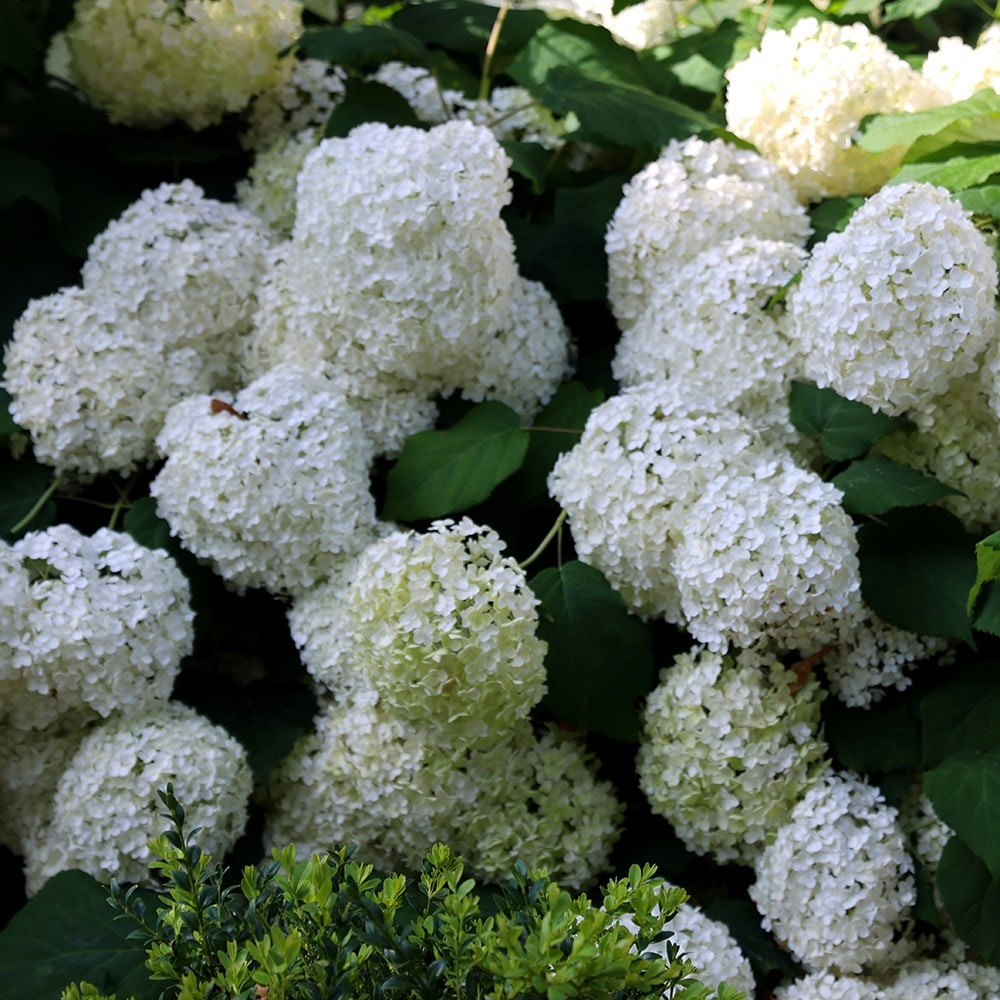
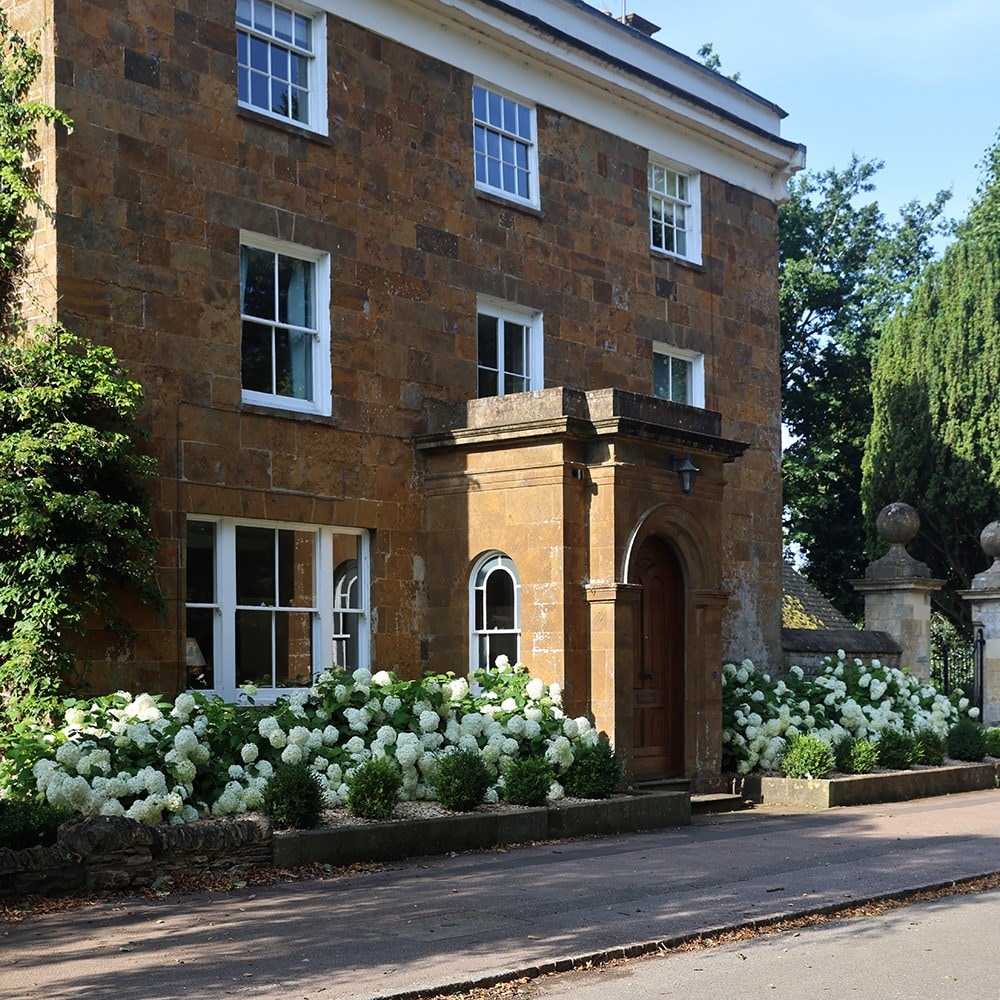
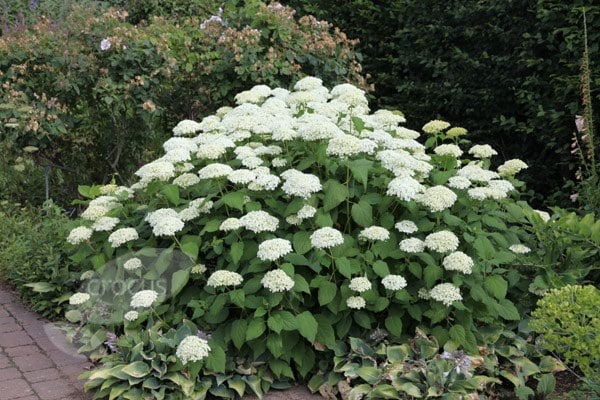
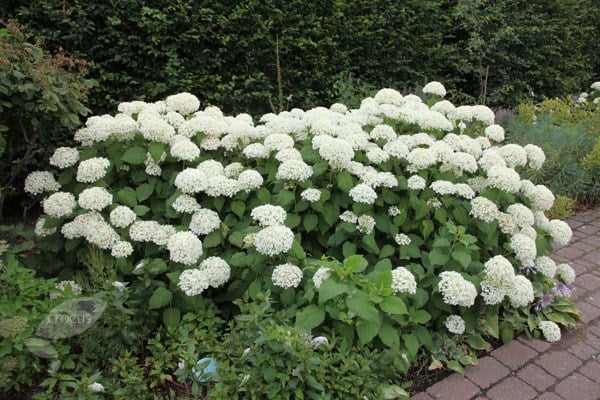
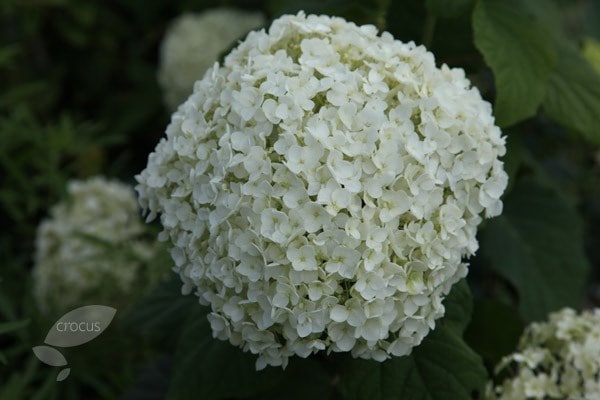
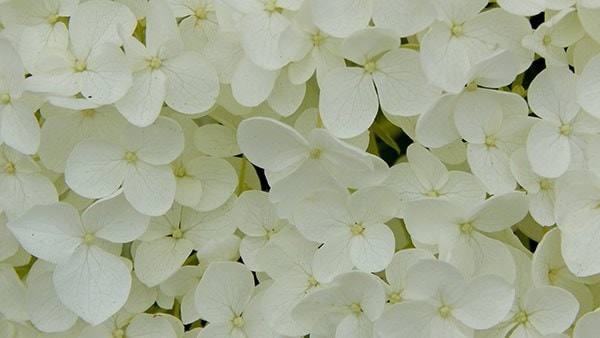
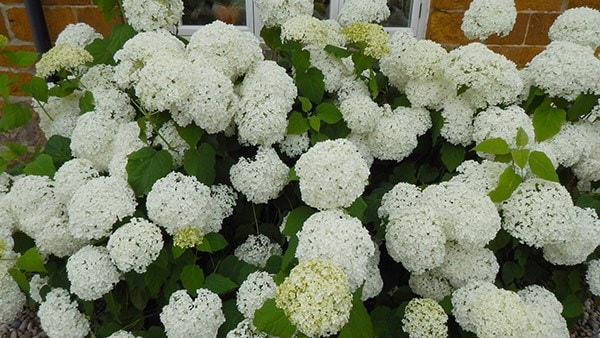
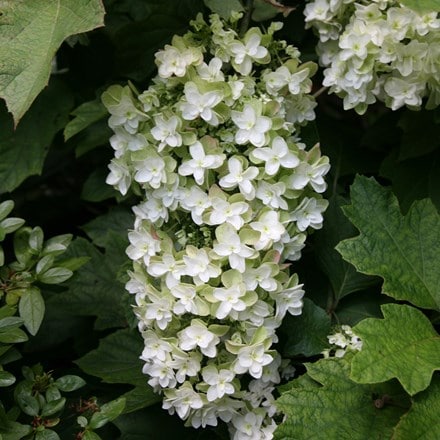
One of the loveliest hydrangeas, this has huge globes of tightly packed, creamy white bracts that look like giant snowballs in late...
Cool-green, level heads open to cool-white in summer before gently fading to lime-green -then winter reduces them to a radiating set of tiny umbrella spokes upended
Plant description
Eventual height & spread
Flowering period
- Jan
- Feb
- Mar
- Apr
- May
- Jun
- Jul
- Aug
- Sep
- Oct
- Nov
- Dec
Plant features
Position
Full sun / light shade
Rate of growth
Average
Soil
Moderately fertile, moist, well-drained soil
Hardiness
Fully hardy
How to care for Hydrangea arborescens Annabelle:
Please note:
Warning
GOES WELL WITH
March pruning of trees, shrubs and climbers
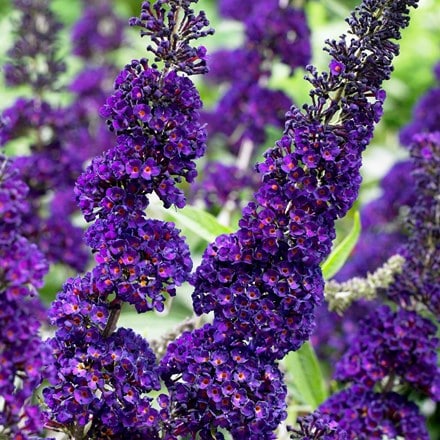
The following notes can be used as a guide when pruning trees, shrubs and climbers in your garden during the month of March. It's timely advice if you have any of the following in your garden. Abeliophyllum, Artemesia, Brachyglottis, Brunfelsia, Buddleja
Read full articleHydrangeas - which one to choose?
Hydrangeas come in many guises, but the blue and pink mopheads and lacecaps that flower in summer are generally forms of Hydrangea macrophylla, an Asian species that prefers lots of summer rainfall and drier winters. This can be tricky in drier gardens, b
Read full article