


25% off
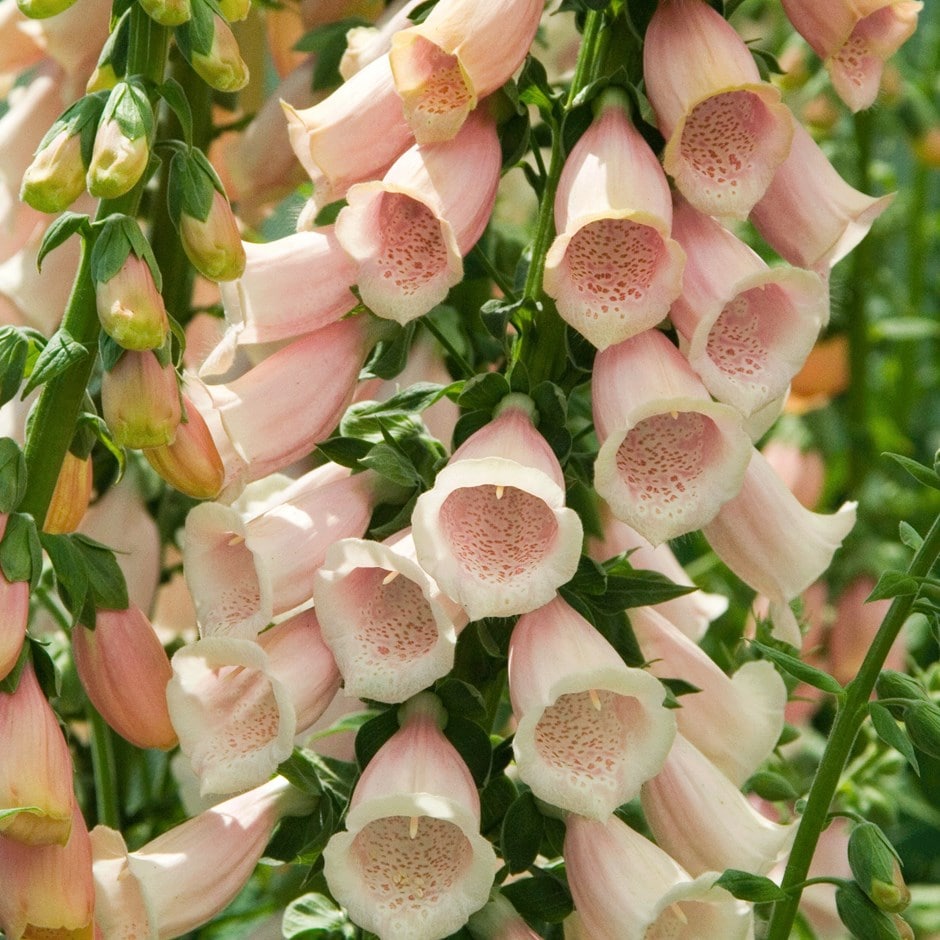
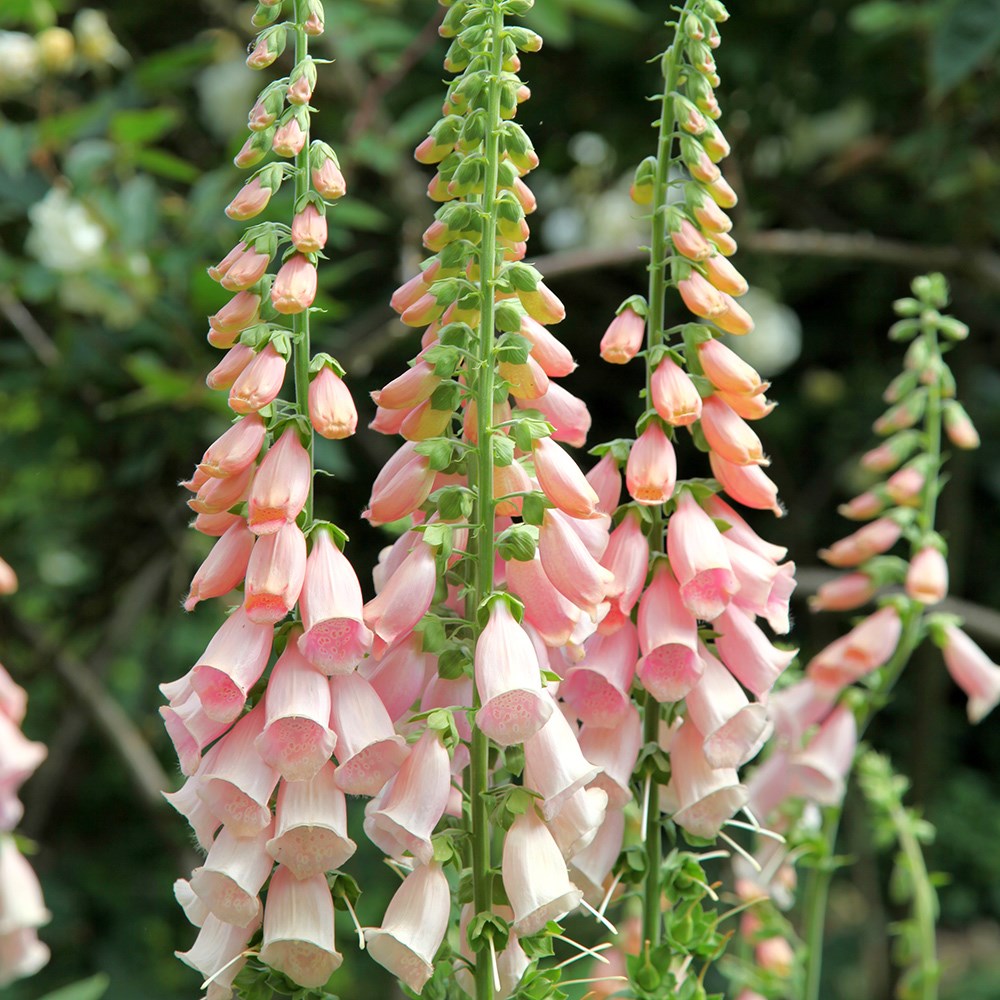
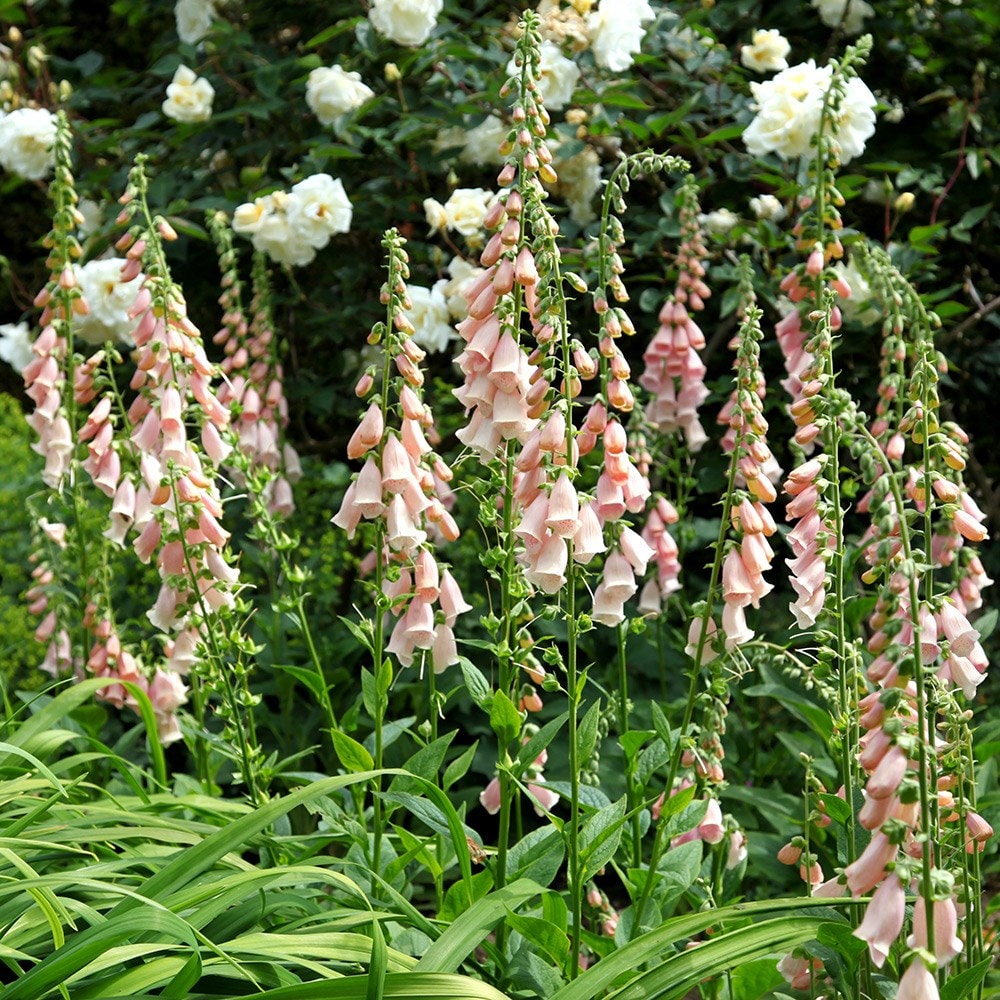
Digitalis purpurea 'Sutton's Apricot'
foxglove
Tubular, apricot-pink flowers that are attractively spotted inside their throat with brownish-maroon, form along one side of the impressive spike...
Plant description
Eventual height & spread
Flowering period
- Jan
- Feb
- Mar
- Apr
- May
- Jun
- Jul
- Aug
- Sep
- Oct
- Nov
- Dec
Plant features
Position
Light shade
Rate of growth
Average
Soil
Moderately fertile, moist, well-drained soil
Hardiness
Fully hardy
How to care for Digitalis purpurea Sutton's Apricot:
These plants are mainly biennial, although they will often self-seed freely.
Sowing instructions:
Please note:
Warning
GOES WELL WITH
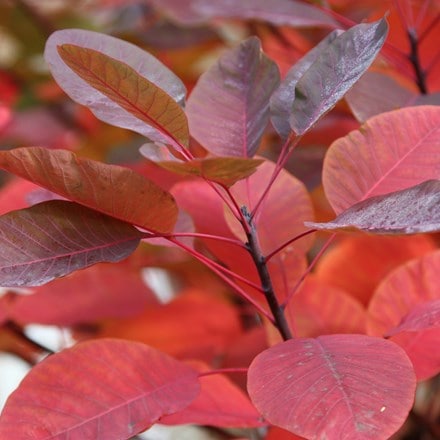
Cottage garden
The traditional cottage garden was an intensive, yet carefree mixture of fruit, vegetables, herbs and flowers all crowded into a tiny space. Today, this informal charm can be recreated using modern varieties that largely take care of themselves around an
Read full articleTown
Create an ‘outside room’ that overcomes the three challenges of shade, exposure and lack of space using uplifting, shade-tolerant shrubs, perennials and bulbs. A sense of seclusion can be achieved with decorative screens and trellis covered in deciduous,
Read full articleWater garden
Who can resist the allure of water in the garden? The gentle gurgle of a running stream creates a sense of calm and tranquillity, while a simple pond makes a focal point with magnetic appeal. You can create lush and natural-looking planting to show off th
Read full articleWoodland
A sanctuary of peace and tranquillity with an overwhelming sense of calm, a woodland garden is an ideal place to get away from it all with natural shade and privacy. Based on a simple grouping of trees or even a single, multi-stemmed specimen, a woodland-
Read full articleFoxgloves
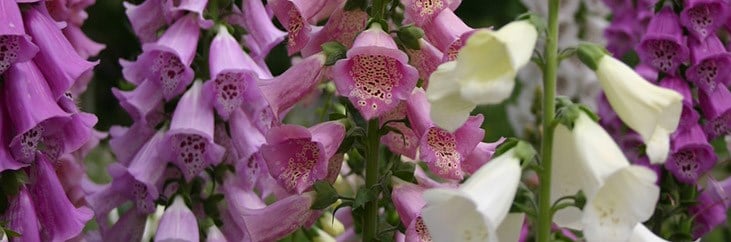
Foxgloves are one of the most distinctive garden plants with their tall spires of tubular flowers evocative of the quintessential cottage garden and childhood summers. They flower in mid-summer and can reach up to 2m, rising from a low-growing circle of s
Read full articleDeer
Deer eat a wide range of plants and usually visit the garden between dusk and dawn. Sometimes the deer have a particular taste for flowers and will eat tulip blooms, but usually it is whole shoots that are lost. Tree trunks and branches may also be damage
Read full articleGet more flowers
Deadheading will prevent them setting seed and so use their energy producing a further flush of blooms later on. Plants that respond well to deadheading include annuals such as Ageratum, Alyssum, Antirrhinum, Calendula, Centaurea, Cosmos, Dahlia, foxglove
Read full articleThe Chelsea Chop (and other methods of extending the flowering season)
Many gardeners who are happy, even gung-ho, with the secateurs when pruning shrubs and climbers are surprisingly reluctant to take the shears to herbaceous perennials. Maybe this is because it just doesn't seem quite right to be cutting back all that new
Read full articlePlanting companions for roses
Early flowering roses tend to come in shades of white, pink or purple-pink and most forms of the biennial foxglove, Digitalis purpurea, have toning flowers in similar colours. These appear in rose time, but carry on after the first rose flush has finished
Read full articleHow to use those dreamy flower spires
There's one garden essential that brings a planting scheme to life and it's upright flower spikes that soar heavenwards. They add drama and perspective to all your other planting and, as they open from the bottom upwards, each spire offers a glorious co
Read full article